Ciencia UANL: Researchers propose converting cheese whey into food and feed ingredients
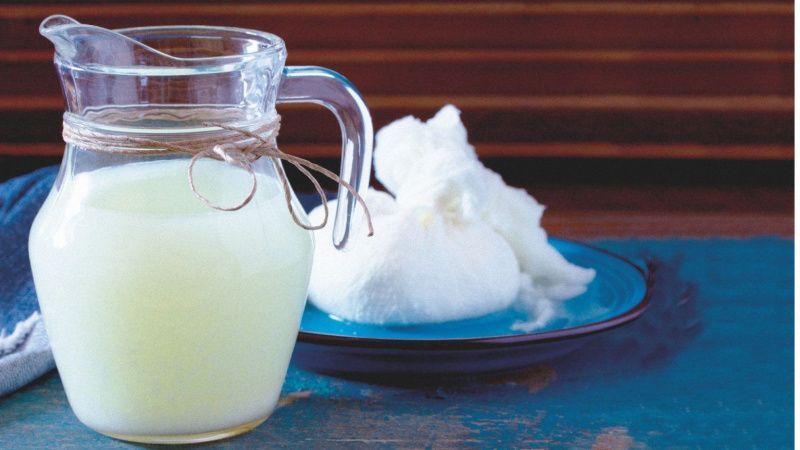
The research, disseminated by the Universidad Autónoma de Nuevo León’s journal, puts worldwide whey production at approximately 145 million tonnes annually. Traditional cheesemaking uses an average of ten litres of raw milk for each kilogram of finished cheese, leaving roughly nine litres of liquid by-product. That liquid contains lactose, soluble proteins including albumins and globulins, mineral salts, residual fats and B vitamins. The researchers identify these components as raw materials for further processing.
Whey has high chemical and biochemical oxygen demand, making untreated disposal an environmental concern. When discharged into municipal drains or waterways, it supports rapid microbial growth that depletes dissolved oxygen and damages aquatic life. Uncontrolled spreading on agricultural land can also cause nitrates to leach into groundwater and lead to soil salinisation. The research presents processing the liquid into usable products as a means of reducing these pollution problems.
Processing requirements differ according to the type of whey. Sweet whey, associated with pressed and matured cheeses, has a pH of 6.2–6.4; acid whey, typically produced by fresh cheeses or acid coagulation, has a pH of 4.6–5.0. Heating and acidifying sweet whey allows proteins to be recovered as requesón or ricotta. This leaves another liquid residue, known as scotta. Its acidity complicates subsequent use, and the research calls for immediate cooling to 4°C to stabilise its microbial load before biotechnological fermentation.
In Mexico, around 40% of domestically generated whey goes to low-technology animal feeding or is discarded without treatment. Meanwhile, processed-food manufacturers import thousands of tonnes of dried whey and whey protein concentrates, known as WPC, to reduce formulation costs. The researchers describe controlled fermentation using lactic-acid bacteria and selected yeasts as a route to products for human consumption, food preservation and poultry, pig and aquaculture nutrition. They propose these applications as ways to replace imported inputs and supply functional foods aimed at consumers seeking gastrointestinal-health benefits.
The equipment needed to dry and transform whey presents a financial obstacle for small and medium-sized cheesemakers. Large corporations have spray-drying towers and membrane systems for ultrafiltration and nanofiltration, whereas family-run operations lack the liquidity to purchase such machinery. At dairy farms and rural microbusinesses, livestock feed and electricity together absorb more than 70% of current operating expenditure, according to the article. It describes the cost of whey treatment as commonly regarded by these businesses as an unaffordable additional expense.
The research proposes cooperative arrangements and modular fermentation facilities through which artisan cheesemakers could pool their whey. The researchers suggest that these arrangements could turn disposal costs into supplementary revenue, help cover food-safety expenditure in cheesemaking rooms and support weekly cash flow. Their proposals for wider use of whey cover the producing areas of Querétaro, Guanajuato, Jalisco and Mexico’s central highlands.
The researchers also call for environmental policies that encourage investment in processing technology and impose penalties for polluting discharges. They recommend that the Secretaría de Agricultura y Desarrollo Rural, livestock-development committees and university research centres transfer affordable biotechnology protocols to small artisan-cheese businesses. Alongside that technical support, they advocate encouraging domestic production of whey-derived protein concentrates and biopolymers, which they say could reduce foreign-currency spending on imported dairy derivatives.