Chihuahua Turns to Milk from Other Mexican States
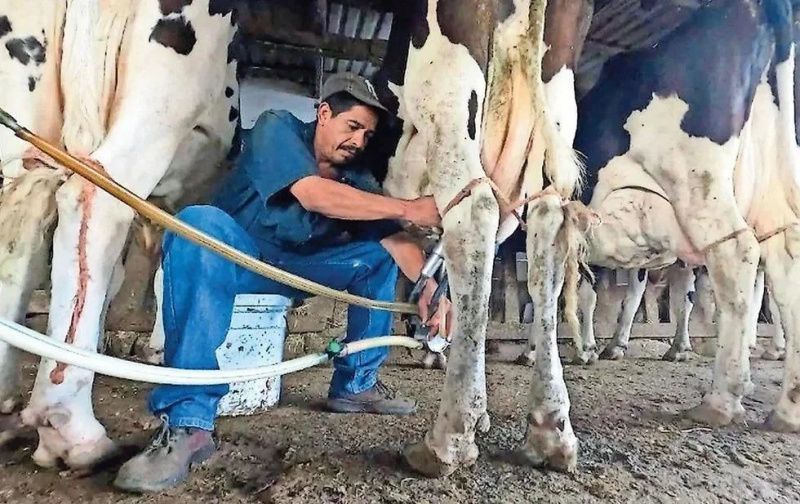
Dairy processors and agricultural supply programmes in Chihuahua are transporting increasing quantities of fluid milk from neighbouring states to address a shortfall in local raw-milk collection. The imported supply is being used to meet industrial demand and consumption programmes in a state that has historically been one of Mexico’s specialised dairy centres.
The production decline has affected the central and southern agricultural valleys. A prolonged drought has reduced irrigation water in districts 005 and 113 and lowered groundwater levels. The resulting increase in the cost of growing and supplying alfalfa and maize silage has affected the availability of key cattle feed.
High temperatures have also affected specialised dairy cattle, reducing output per cow and the level of usable milk solids, according to the report. Dairy farms have additionally faced high prices for balanced grains, electricity costs for pumping water from deep wells and delays in payments made at the farm gate.
Small and medium-sized family dairies in Delicias, Meoqui and Saucillo have reduced their herds or sent productive cows to slaughter to settle immediate liabilities, the source reports. The changes have contributed to a rapid reduction in the number of animals kept at farms in the area.
Milk arriving from other states is transported as raw or pasteurised product in refrigerated tankers. The shipments add logistical costs and require continuous maintenance of the cold chain. Local producers have expressed concern about the inflow, which they say is compounded by competition from imported dairy products and milk powders.
Producer organisations are seeking government measures including emergency subsidies for pasture, low-cost financing to improve irrigation for feed crops and greater certainty over public procurement. The sector is also seeking an increase in the official purchase price to 14 pesos per litre. Its representatives say that reliance on external supplies raises the cost of milk for consumers and threatens the state’s dairy activity and rural employment. The report was published by El Diario de Chihuahua.