Cheese Rinds Are Not Automatically Safe to Eat
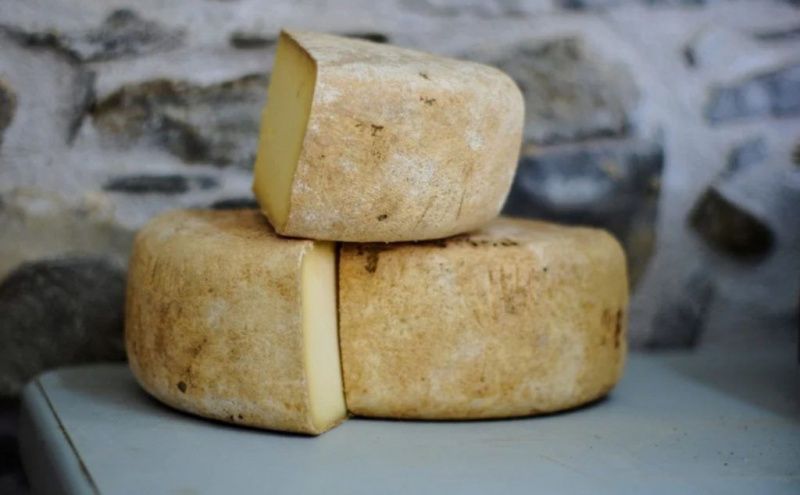
Cheese rinds formed during maturation may host complex microbial communities. These organisms develop on the surface as the cheese matures, and their presence can be part of the characteristics of traditionally produced cheeses.
Natural origin, however, is not in itself a guarantee of safety. Research into artisan cheeses is examining which microbial populations occur on their surfaces, which contribute positively to the product and which need to be controlled.
A Brazilian study published in 2024 analysed 130 samples of artisan cheeses with naturally moulded rinds. Ochratoxin A was detected in some of the samples. The article presenting the study said that its findings were not intended to condemn natural rinds, but showed the importance of good practices, microbiological identification and suitable maturation environments.
Different roles for fungi
Fungi have played a significant role in the history of cheese. Some are necessary for particular cheeses to exist, while others cause deterioration. Some fungi may also have toxigenic potential.
For that reason, safety cannot be established simply by observing whether a colony is white, green or blue. Colour alone does not identify the role of a fungus or determine whether a rind is suitable for consumption.
Consumers who buy artisan cheese with a deliberately matured rind are advised in the article to speak with the seller. They can ask about the producer, the type of maturation and the guidance for consumption. The article presents this information as part of a more informed approach to cheese, in which sensory education is combined with caution rather than with an uncritical view of natural products.