Caxias do Sul Backs Bill to Ban Reconstituted Imported Milk
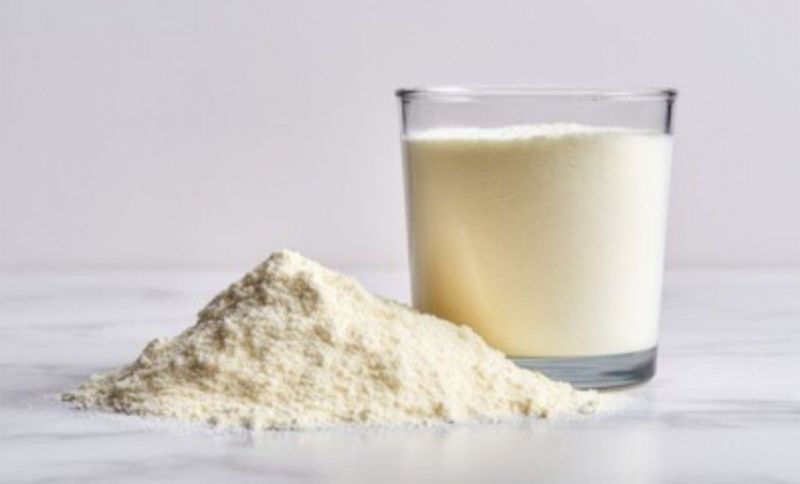
The City Council of Caxias do Sul has taken a significant step in the ongoing battle between domestic and imported milk in Rio Grande do Sul. On August 5, the council approved a motion supporting a bill that seeks to prohibit the sale of reconstituted imported powdered milk as fluid milk in the state. This motion was put forward by councilor Aldonei Machado, who is noted for his focus on agricultural issues.
The motion aligns with a legislative proposal already under consideration in the Rio Grande do Sul State Assembly, authored by state deputy Paparico Bacchi. The approved text from Caxias do Sul will be forwarded to the Assembly's Commission of Constitution and Justice, as well as to state deputies and relevant authorities.
The primary argument for the motion is economic. It highlights that the reduction in import tariffs for powdered milk in 2022 led to a substantial increase in imported products being sold at prices lower than the cost of local production. This situation has reportedly caused an imbalance in competition, risking the viability of local producers.
Another aspect of the motion is consumer transparency. It states that selling reconstituted imported powdered milk as fluid milk, often without clear indication of its origin, undermines commercial transparency. Proponents argue that this practice misleads consumers and affects fair market relations between producers, sellers, and buyers.
During the discussions, Aldonei Machado pointed out the challenges faced by local small and medium-sized producers, who are already struggling with high production costs and now face competition from cheaper imported products. The councilor believes that the proposed law aims to strengthen national production, preserve jobs in the sector, and support family farming.
With the support from the Caxias do Sul City Council, Paparico Bacchi's bill gains additional political backing as it progresses through the state legislative process. The issue of competition between domestic and imported milk remains a focal point of debate among producers, industry, and government in Rio Grande do Sul.