Cattle Markets Increase Revenue for U.S. Dairy Farms
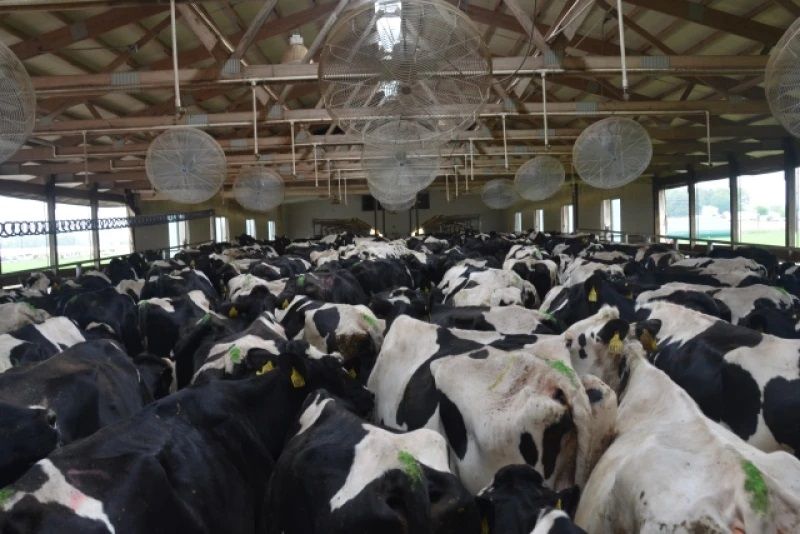
U.S. dairy farms are receiving higher returns from livestock sales as cattle markets remain strong. Revenue from culled cows and newborn beef-cross calves has become a more important part of farm finances, rather than serving only as a secondary source of income.
The market is being supported by historically low numbers of beef cows nationwide, constrained supplies for slaughter and sustained consumer demand for red meat. These conditions have kept prices for commercial slaughter cows close to historic highs. Demand for lean processing beef, which is blended with trimmings from fed cattle in ground-beef production, has also encouraged active bidding at livestock auctions.
Breeding practices are another source of value for dairy producers. Many farms use sexed dairy semen on genetically stronger females to produce replacement heifers. Other animals are bred with higher-value beef semen, producing crossbred calves that can be sold as day-old or feeder animals. Such calves command premiums over conventional purebred dairy bull calves.
Higher cattle receipts have provided financial support while milk prices and feed costs have varied between regions. Livestock income has represented a larger share of total farm revenue, allowing some dairy businesses to meet higher operating expenses, address working-capital needs and improve liquidity.
Industry analysts have said that breeding discipline and animal-care practices will remain important for farms seeking these premiums. Feedlots and meat packers are introducing stricter quality standards for beef-on-dairy cattle. Farms that document genetics, manage colostrum for newborn calves and maintain traceability are identified as better placed to obtain higher livestock returns.
The value of the beef-on-dairy model depends on assigning breeding decisions across the herd. Dairy operators can use beef genetics where replacement animals are not required, while retaining dairy genetics for females selected to maintain the milking herd. The resulting sales include both young crossbred cattle and mature cows removed during herd turnover.