Cargill’s benchmark identifies features of elite dairy herds
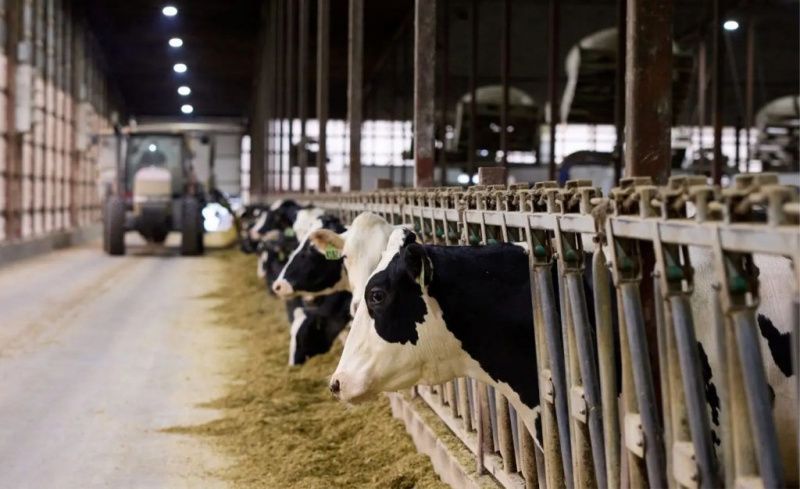
The HL+ Benchmark, an initiative of Cargill, uses information from more than 800 dairy herds across 14 countries. The dataset covers about 350,000 cows and identifies two performance categories: Golden and Platinum. The classification is based on lifetime milk output and the proportion of cows remaining in the herd through at least a third lactation.
In a Golden herd, at least 25% of cows produce more than 50 tonnes of milk during their lives, while at least 45% reach a third lactation or beyond. A Platinum herd must meet the same 25% threshold for cows producing more than 50 tonnes, but also have at least 10% producing more than 100 tonnes and nearly half of its cows reaching a third lactation or later. Cows that exceed 100 tonnes while remaining healthy and productive are designated Platinum cows within the system.
The benchmark’s analysis states that a small number of unusually productive cows does not by itself define an elite herd. The relevant measure is the share of animals that remain productive for longer. A heifer represents an earlier investment in rearing, management and health, and that investment begins to be recovered only when the animal enters production. Early removal reduces the time available for recovery and requires the farm to replace the animal.
Herds that reach the benchmark’s elite levels share several management characteristics, according to the analysis. These include a culture of continuous improvement, decisions informed by data, teams focused on long-term productivity and a willingness to adopt innovations. The results are not attributed to one product or isolated intervention, but to decisions made across nutrition, reproduction, animal health and management.
The HL+ material presents benchmarking as a management tool rather than only a ranking system. Within Cargill Animal Nutrition & Health’s HL+ consultancy programme, benchmark information is combined with nutritional expertise so that each producer can identify priorities specific to the herd. Those priorities may concern animal health, reproduction, longevity, replacement strategy or nutrition.
The programme also sets development parameters for a “Platinum Heifer” before the first calving. Metabolic programming is expected to take place during the rearing period; weight and height at calving should be about 95% of adult levels; and the first calving is targeted at 23 months, with a variation of one month. The recommended body-condition score at calving is between 2.8 and 3, while disease incidence before calving should remain below three cases from birth. The source also cites Cargill Animal Nutrition & Health’s NeoMilk portfolio as part of the nutritional approach, alongside management, monitoring and technical support.
Meeting the heifer targets does not guarantee that an animal will later become a Golden or Platinum cow. The material says that multiple factors during the productive life affect the outcome. It presents appropriate heifer development as the foundation for lifetime productivity, with performance determined over the course of the animal’s development and successive lactations.