CaProLER warns of dairy farm closures and seeks a specific agenda
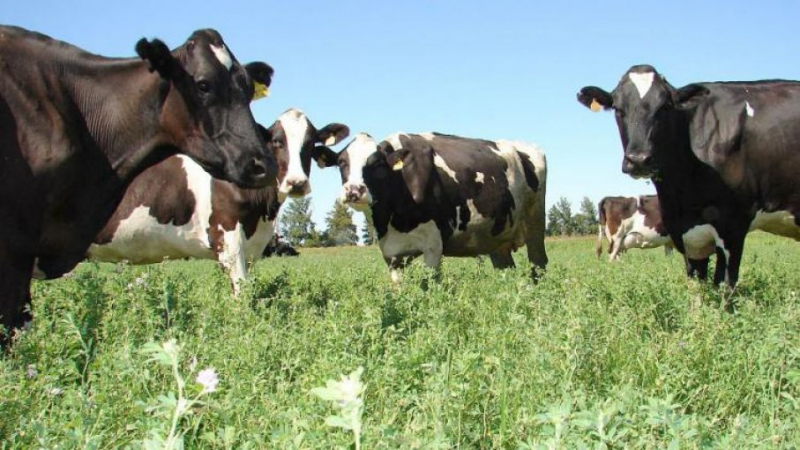
Speaking at the opening of the second Entre Ríos Dairy Chain Conference in Crespo, Sergio Borré, president of the Chamber of Milk Producers of Entre Ríos (CaProLER), said the province now has about 640 dairy farms and 88,000 cows in production. Two decades ago, there were more than 2,100 productive units. “We lose between 15 and 25 farms a year,” he said.
The conference is being held on September 29th and 30th, bringing together producers, technicians, processors and public officials. Its programme covers technology, profitability, nutrition, artificial intelligence and sustainability. Based on the figures presented, the province has an average of about 138 cows per farm, although individual operations vary in scale.
CaProLER described the decline in farm numbers as a structural change affecting more than production statistics. Borré said that each dairy operation is connected to workers, veterinarians, hauliers, suppliers and local businesses. The discussion therefore includes the scale, profitability and infrastructure required for farms to remain in milk production, as well as the conditions needed for younger people to enter the sector.
The chamber also wants improvements in genetics, animal health, welfare, technology and good dairy practices to be reflected more clearly in processors’ payment systems. Entre Ríos is working with the National University of Entre Ríos and the Federal Investment Council on a good dairy practices programme. Its first stage covered 50 farms and assessed milk quality, safety, productivity and sustainability.
Another proposal is the creation of provincial capacity to test raw milk. Official documents identify the absence of an authorised public laboratory serving producers as a longstanding weakness. Samples currently have to be sent outside the province, which can delay testing and payments. During 2026, the provincial government and other actors in the dairy chain began work on a milk-quality laboratory within a Production Development Centre. CaProLER said such a facility would make the measurements used for quality-based payments more transparent.
The producers’ agenda also includes rural roads, credit, electrification, automation and digital tools. Borré highlighted roads because they affect daily milk collection as well as access to schools, healthcare and transport for rural families. In May, the province established a Provincial Dairy Chain Forum, where producers, processors and officials put financing, roads, good dairy practices, infrastructure, electrification and tariffs on the agenda.
CaProLER has linked technological adoption and professional training to generational renewal on family farms. It has identified agricultural schools, universities and training programmes as part of that effort. The chamber’s position is that productivity, quality, genetics and efficiency should be addressed alongside infrastructure, financing and commercial transparency, through public measures tailored to dairy production in Entre Ríos.