Camel Milk Industry Expands with Increased Global Demand
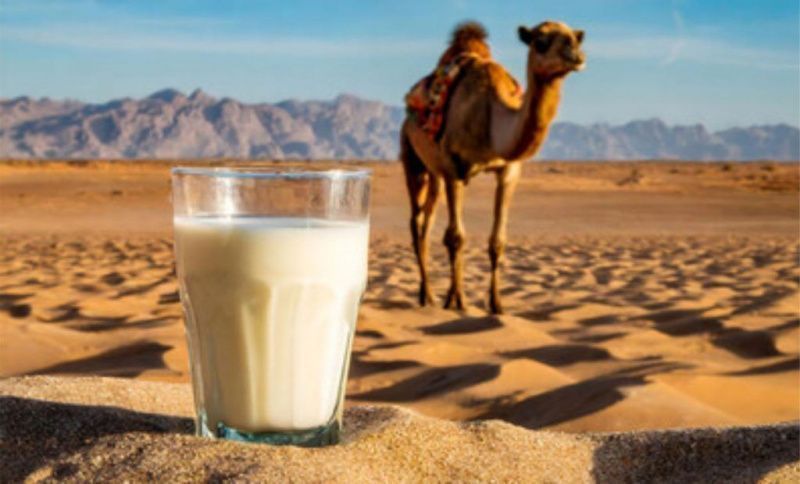
The global camel milk industry has witnessed significant growth, transitioning from a local staple in desert regions to a prominent player in the global agribusiness market. According to the Food and Agriculture Organization (FAO), the global camel population has exceeded 41 million, with Kenya, Somalia, and Pakistan leading in milk production.
In 2022, the worldwide production of raw camel milk reached 4.116 million tonnes. This growth has driven the need for stringent quality, safety, and labeling standards, as outlined by the Codex Alimentarius, an international food standards body associated with the FAO and the World Health Organization.
The commercial evolution of camel milk is evident in the transformation of production facilities. For example, Camelicious, a brand based in the United Arab Emirates, started research in 2003 and now manages over 6,000 camels using advanced production systems. Similarly, Beder Camel Farm in Somalia has improved yields by enhancing veterinary care, nutrition, and milking hygiene, with camels producing up to 10 liters per day, double the traditional output.
Nutritional benefits contribute to its rising popularity. Camel milk contains 3.0 to 7.5 mg of vitamin C per 100 g, compared to 0.8 to 2 mg in cow's milk. It also lacks beta-lactoglobulin, a protein linked to cow milk allergies, and has higher beta-casein levels, potentially improving digestibility. However, camel milk is not lactose-free, and lactose levels range from 3.3% to 5.8%, requiring those with lactose intolerance to consult health professionals before consumption.
The product's diverse offerings include pasteurized milk, powdered milk, yogurts, fermented beverages, ice creams, and cosmetics. According to a report by Grand View Research, the camel milk products market is expected to grow from $14.3 billion in 2024 to $24 billion by 2030, with the Middle East and Africa accounting for 58.9% of global revenue in 2024.
Environmental considerations also play a role in its adoption. Camels' resilience to heat and water scarcity, along with their ability to graze in arid conditions, makes them a strategic alternative in areas where cattle farming is challenged by severe droughts.
The United Nations has declared 2024 the International Year of Camelids, acknowledging their role in food security and sustainable ecosystem management in arid and semi-arid regions. Despite these advancements, camel milk remains a niche product compared to cow's milk, limited by specialized herd management, refrigerated logistics, and consistent sanitary standards. However, the trend towards integrating traditional food cultures into modern, profitable supply chains is evident.