California Adopts Limits on Dairy Manure and Groundwater Pollution
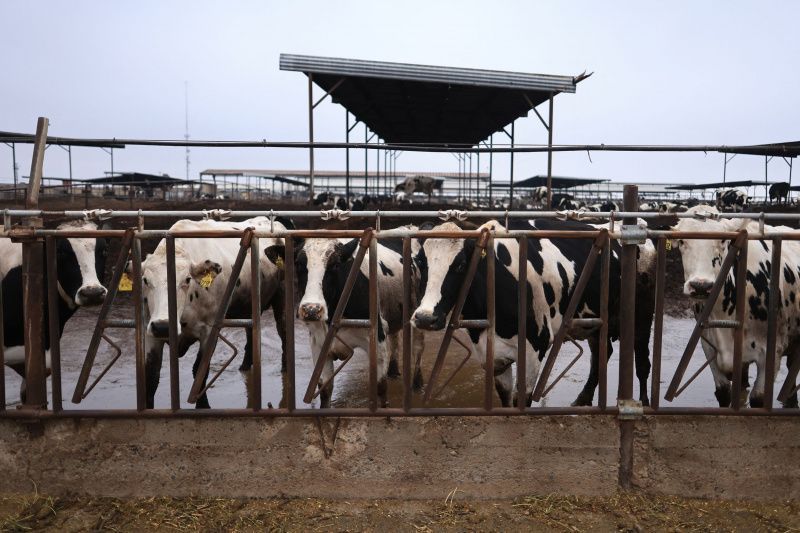
More than 700 California dairies are located within a mile of areas considered highly vulnerable to nitrate contamination, according to state figures from September. The Central Valley contains most of the state’s dairy farms, and a 2024 tally recorded more than 1.7m cows producing milk worth more than $8bn.
Nitrogen in dairy manure can become nitrate in soil, waterways and groundwater. A 2017 University of California, Davis study identified agricultural land, including dairy sites, as the largest source of nitrate entering groundwater in the Central Valley. State officials described dairies in the new 131-page order as having an “outsized contribution” to nitrate pollution.
The approved requirements retain a 10-milligrams-per-litre nitrate standard for drinking water. They also cover the storage of waste, manure spread on cropland and the provision of alternative drinking water when supplies are unsafe. After a request from the Community Water Center, the board agreed to require more support for domestic-well testing where nitrate concentrations reach 7.5 milligrams per litre or more.
The order reflects findings that changed the state’s assessment of how dairy pollution reaches groundwater. A 2019 report prepared by a dairy-operator group said 94% of the nitrogen pollution linked to dairies came from waste applied to cropland as fertiliser, rather than from leaking retention ponds. The board therefore included tighter controls on land application. Its stated objective is for dairies to stop adding to nitrate contamination within ten years and for nitrogen produced at a dairy to be absorbed by crops, exported or treated.
The rules also require stricter nitrogen measurement and limit seepage from manure ponds where it affects groundwater. Existing dairies will face a timetable for reducing manure applications to cropland, with the schedule capped at 35 years. The Central Valley water board and the state board’s Division of Water Quality must publish implementation updates every six months.
Industry representatives questioned the costs and design of the order. Michael Boccadoro of Dairy Cares said it was “inconsistent” with the Central Valley Salinity Alternatives for Long-Term Sustainability, a two-decade collaboration addressing nitrate and salt accumulation. Kevin Abernathy of the Milk Producers Council said the rules could expose smaller farms to takeovers by larger businesses. Dairy groups also objected to a proposed requirement that ponds with less than five feet between the waste and the water table be retrofitted within three years.
The state board’s action follows litigation and regulatory reviews spanning more than a decade. A Sacramento appeals court ruled in 2012 that the regional board had failed to comply with California’s clean-water law, after groups challenged earlier dairy rules. The state board now gives the Central Valley board three years to establish revised waste-discharge requirements and five years to adopt them. Environmental groups had sought a shorter timetable. At the meeting, advocates also raised concerns about participation by Spanish-speaking residents and tribal communities.