Brazilian whey prices rose 24% between June and September 2026
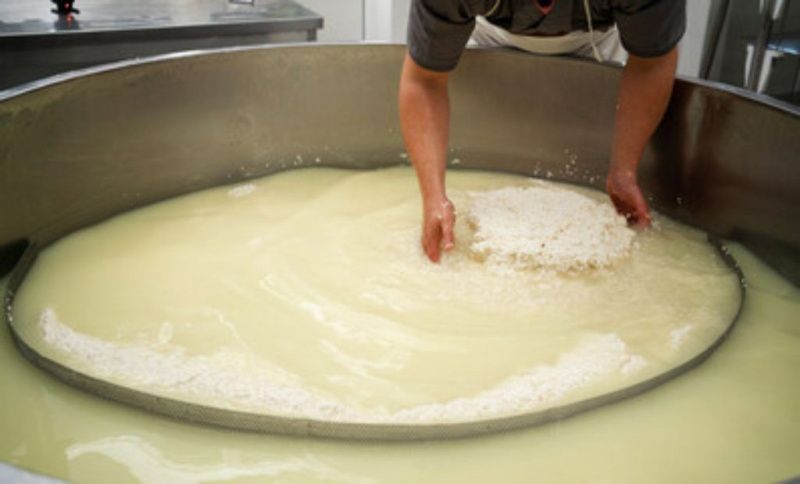
Whey, a by-product of cheese production, is used to make protein supplements and other foods. About 70% of the whey used in whey-based products consumed in Brazil is imported, according to figures presented in the report. Domestic capacity to process this material into protein ingredients remains limited. Expanding that capacity would allow the industry to make greater use of the whey generated by Brazilian cheese production.
Anderson Bianchi, director of institutional relations at the União Catarinense dos Produtores de Leite, sees additional processing as a way to bring greater stability to dairy farming. He said Brazil consumes relatively little cheese and that much of its milk is consumed in liquid form, limiting the value added through processing. In his assessment, developing more dairy products could benefit both farms and the businesses that process their output.
Bianchi identified whey-based products as one option for increasing the economic value of milk derivatives. He linked their appeal to changing eating habits and consumer interest in protein-rich foods. Companies in Santa Catarina are already examining the market's expansion possibilities, he said. In his view, the industry has recognised whey as an attractive product, and demand is likely to increase as consumers seek more protein in their diets.
He also called for a broader range of dairy products, including cheese, yoghurt and doce de leite. Their lower water content can give them a higher commercial value for each kilogram transported. Bianchi cited long-life milk made in Santa Catarina and sold in other states, including São Paulo, as an example of the logistical costs associated with shipping liquid milk. Water accounts for approximately 88% of that product, he said.
“We have high transport costs, high logistics costs,” Bianchi said. To illustrate the difference in value per unit of freight, he compared a kilogram of milk worth three or four reais with a kilogram of cheese worth just over 30 reais. In his assessment, converting more milk into dairy products could increase the value of shipments while reducing the need to transport large volumes of water-rich products.
Further development of whey processing would require investment in industrial facilities and the manufacture of higher-value dairy ingredients. The report identifies this investment as a condition for taking advantage of demand for whey-based products. Additional processing could also create commercial uses for more of the by-product produced during cheese-making and broaden the dairy sector's sources of revenue.
Santa Catarina's dairy activity generated approximately R$8 billion in 2025, according to the Empresa de Pesquisa Agropecuária e Extensão Rural de Santa Catarina (Epagri). That made milk the state's third-largest agricultural economic activity that year.