Brazilian whey concentrate prices rise up to 120% as producers expand capacity
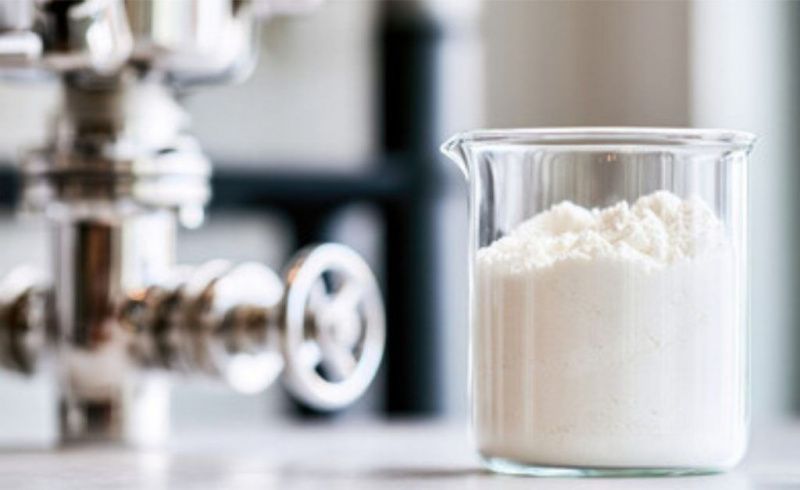
Rising ingredient costs are affecting Brazilian manufacturers of supplements, drinks and protein-enriched foods. WPC 80, a principal ingredient in whey supplements, contains 80% protein; whey protein isolate, or WPI, contains at least 90%. In the United States, WPC 80 increased from approximately $10,000 a tonne at the beginning of 2025 to $28,000 in August 2026. Over the same period, WPI became 47% more expensive, reaching $32,000 a tonne, while the price of lower-protein WPC 34 rose by 40%.
According to Abenutri, Brazil accounts for approximately 60% of South American whey protein consumption, and its market expanded by an annual average of 8% between 2020 and 2025. The association expects supplies to remain constrained throughout 2026, with additional manufacturing capacity expected from 2027. Comex Stat figures put Brazilian imports of whey protein concentrate at 586 tonnes in September, an increase of 7.2% from August.
Whey comes from the liquid left over during cheesemaking, linking its availability to cheese output. Demand for protein now extends beyond gym users to products including bars, ready-to-drink beverages, snacks and fortified foods. The industry is also monitoring the use of GLP-1 analogue medicines. In a NielsenIQ survey, 84.4% of Brazilian respondents taking these medicines said they had increased their consumption of animal protein after starting treatment.
Sooro Renner currently produces approximately 8,000 tonnes of WPC 80 and 2,000 tonnes of WPI annually at facilities in Marechal Cândido Rondon, Paraná, and Estação, Rio Grande do Sul. Its new factory in Francisco Beltrão, Paraná, represents an investment exceeding R$1 billion. Production is scheduled to begin in the second half of 2027, and the plant is expected to double the company's current capacity.
Grupo Piracanjuba is investing more than R$500 million in a complex under construction in São Jorge d’Oeste, Paraná. The development combines production of cheese, butter, whey protein and powdered lactose, with expected annual whey output of up to 6,000 tonnes. In Três de Maio, Rio Grande do Sul, Lactalis operates a WPC facility integrated with cheese manufacturing. Liquid whey moves through a closed pipe system to the whey-processing operation.
Nestlé said it had resumed whey production in Carazinho, Rio Grande do Sul, in 2026. The restart forms part of its R$2 billion investment programme for the Nutrition and Health division in Brazil.
Abenutri considers that supply constraints could encourage manufacturers to seek proteins obtained from meat, plants, yeasts and fermentation processes. Plant proteins used in formulations include pea and soya. Whey remains a milk protein even when its lactose content has been reduced, making it unsuitable for people who must avoid milk proteins because of an allergy.