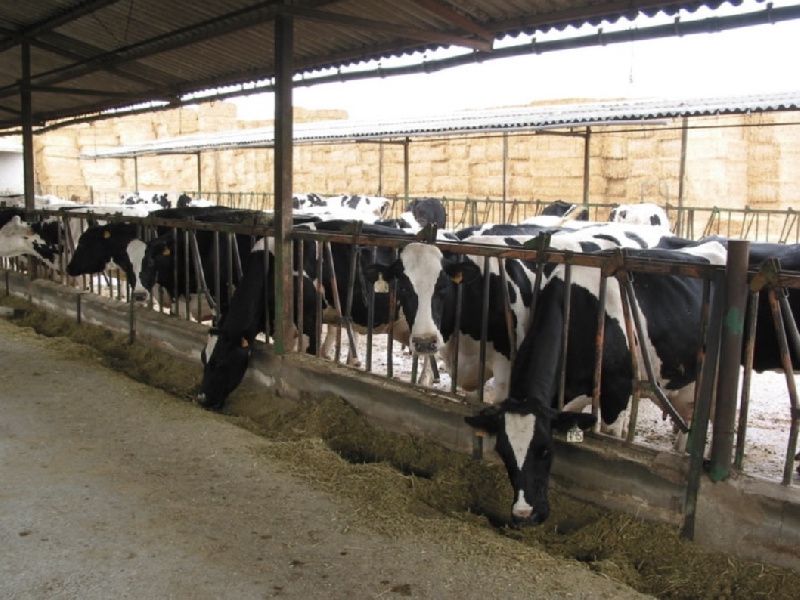
Brazilian test identifies cows producing A2 milk in 20 minutes
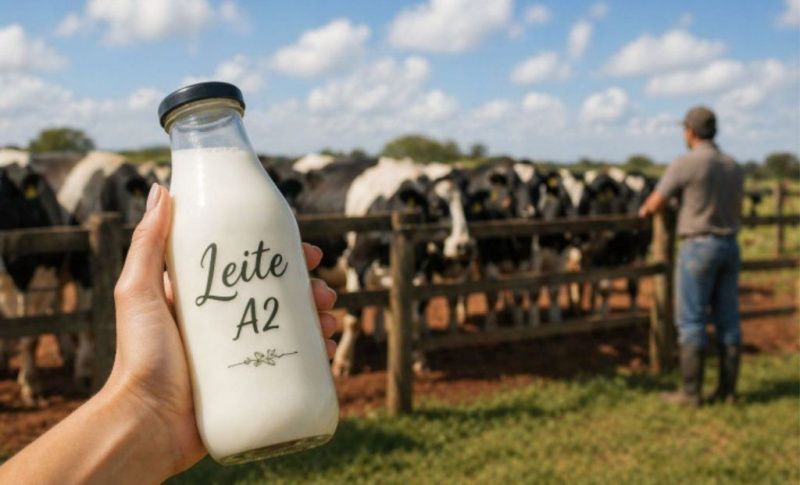
The test examines milk to identify an existing characteristic associated with beta-casein, one of its proteins. Cows classified as A2A2 produce the A2 variant of beta-casein exclusively, alongside the other proteins naturally present in milk. Animals with the A1A1 profile produce A1 beta-casein, while those classified as A1A2 produce both variants. Epamig explains that identifying these genetic profiles helps farmers distinguish animals and plan the composition of their herds.
Screening through milk requires an available sample from a lactating animal. For farmers seeking to establish an A2A2 herd, Epamig's guidance includes genetic assessment of females and breeding with semen from A2A2 bulls. The source describes farmers using herd selection as part of efforts to differentiate their dairy products. Genetic identification and reproductive planning are among the steps involved in organising production around this characteristic.
Research into A2 milk has examined whether it is more easily tolerated by some people who experience digestive discomfort after drinking milk. A clinical trial published in 2024 involved 40 participants who reported such discomfort. It compared milk containing exclusively A2 beta-casein with milk containing both A1 and A2. Researchers used a randomised, double-blind, crossover design, with participants receiving each product during separate periods. The evidence on differences in digestive tolerability remains under development.
A2 milk can contain lactose, the sugar naturally present in milk. Reducing or removing lactose requires a specific treatment, whereas the A2 classification concerns beta-casein. A2 milk also retains proteins capable of triggering reactions in people with an allergy to cow's-milk protein. The source identifies the continued presence of these allergens as a safety consideration for consumers with that allergy.
Commercial production also involves requirements for handling milk beyond the farm-level identification of animals. CNA presents a voluntary certification protocol covering identification, processing, transport and labelling of milk and dairy products. These stages form part of the arrangements for bringing differentiated milk to market. The protocol extends across the production chain and includes products made from the milk.
The economic considerations described for producers include finding a buyer, establishing the buyer's requirements and assessing whether the payment offered covers the costs of animal selection and production organisation. The source also identifies consumer information and coordination along the supply chain as factors involved in developing Brazil's A2 milk market. Farmers considering this production model therefore face decisions concerning breeding, product handling and commercial arrangements.
Scienco Biotech was established in 2016 from projects developed at the Centro de Ciências Agroveterinárias of the Universidade do Estado de Santa Catarina, known as CAV/Udesc, according to the Associação Catarinense de Tecnologia. In March 2026, the company won the startup competition at South Summit Brazil in Porto Alegre with its Dairy Tech solution. The company’s origins link the technology to research undertaken in Santa Catarina.