Brazilian Patent Cuts Cattle Tuberculosis Diagnostic Costs
A collaboration between Embrapa Gado de Leite, the Federal University of Juiz de Fora (UFJF) and the Hospital Foundation of Minas Gerais (Fhemig) has developed RRTB, a method for diagnosing tuberculosis. Brazil’s National Institute of Industrial Property has granted the technology a patent letter, and the method has reached level 8 on the TRL/MRL scale, indicating validation and incorporation into the routine of reference laboratories.
RRTB was developed to address limits in the Ogawa-Kudoh technique. That method uses a swab to decontaminate samples without centrifugation, but it is restricted to sputum because it relies on an acidic culture medium. This prevents its use with sterile biological fluids such as pleural fluid, ascitic fluid and cerebrospinal fluid.
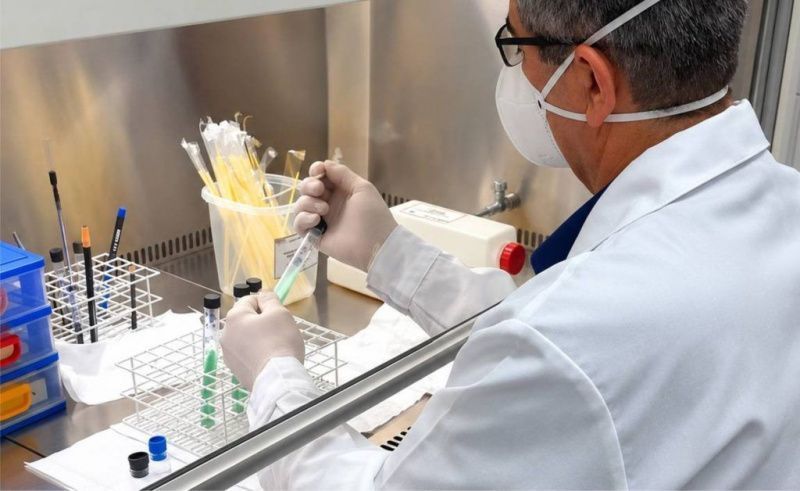
The new process adds a neutralising solution containing citric acid, ammonium citrate and sodium citrate between sample decontamination and inoculation into Löwenstein-Jensen medium. The medium is widely used in Brazil and is less expensive than more complex alternatives. According to Ronaldo Rodrigues da Costa of Fhemig, who developed the technology during his doctorate at UFJF, the adjustment creates a pH that supports mycobacterial growth and allows the same culture medium to be used for sputum and sterile fluids.
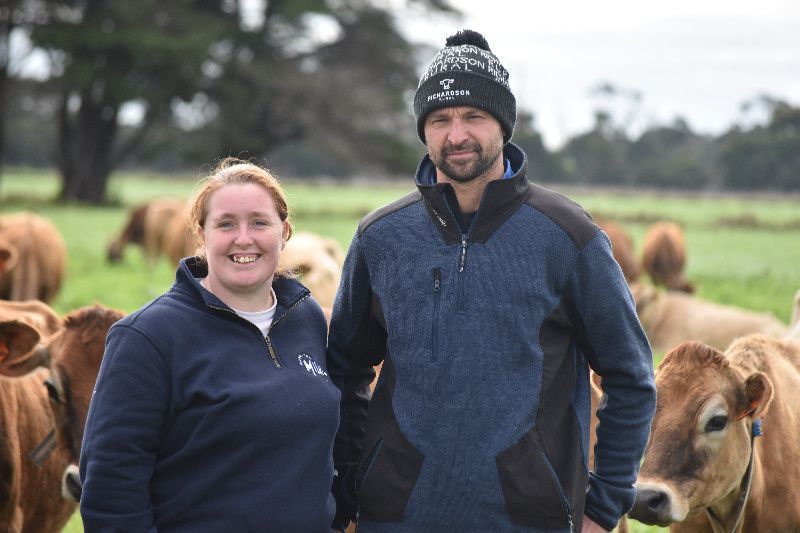
The method does not require centrifuges or complex laboratory infrastructure. Its developers say this makes it suitable for smaller laboratories and health units in rural areas. For the dairy sector, the approach also permits direct testing of clinical samples from animals and food products, including artisanal cheese.
In a pilot study involving 77 samples, RRTB recorded sensitivity of 90.91% and specificity of 94.34% against the Petroff reference method. Compared with Ogawa, it showed sensitivity of 94.74% and specificity of 92.45%. The culture-contamination rate was 1.30%, compared with 2.60% for Petroff and 6.50% for the conventional Ogawa method.
Further validation took place in seven reference laboratories in Minas Gerais, including five macro-regional units, a tuberculosis treatment centre and a university hospital. The researchers assessed 593 paired samples and found diagnostic equivalence between RRTB and Ogawa-Kudoh. The work also covered extrapulmonary tuberculosis, zoonotic tuberculosis caused by Mycobacterium bovis, and detection of the pathogen in animal and food samples.
For animal applications, the team tested Löwenstein-Jensen medium supplemented with pyruvate, which supports the growth of M. bovis. Its performance was similar to that of the conventional medium. Embrapa researcher Márcio Roberto Silva said that tuberculosis surveillance must include people, animals and food because the zoonotic agent moves through that chain. UFJF researcher Isabel Cristina Gonçalves Leite said the technology was built from existing methods with lower costs and could be used in developing countries where tuberculosis remains an important public-health problem.
The method was described in an international scientific journal in 2022. In 2024, the Royal Society of Tropical Medicine and Hygiene in Britain selected it as one of four global highlights presented at an international event marking World Tuberculosis Day. Commercialisation has not yet begun. UFJF’s Regional Centre for Innovation and Technology Transfer is seeking companies to license, produce and distribute RRTB. The method must also be submitted to Anvisa before it can move from research and validation laboratories into Brazil’s tuberculosis-diagnosis network and other countries.