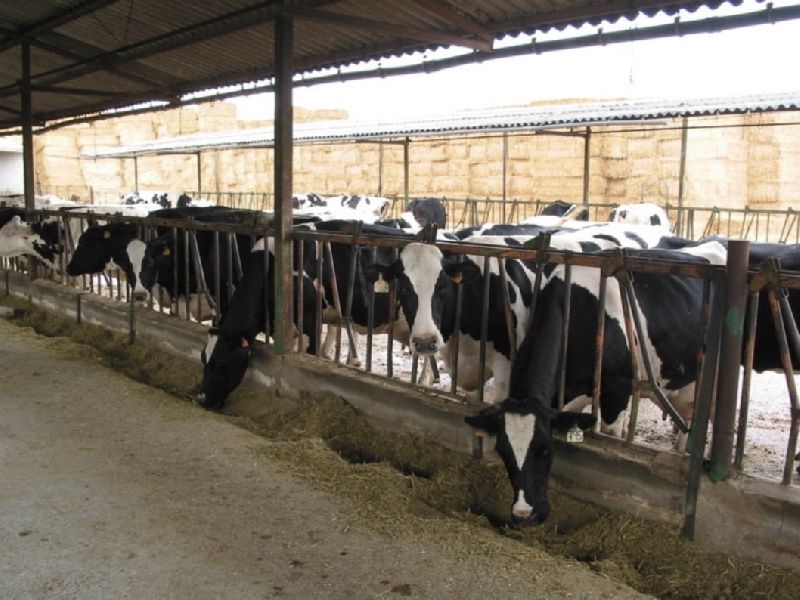
Brazilian Milk Producers in Semi-Arid Regions Adopt Cost-Cutting Project
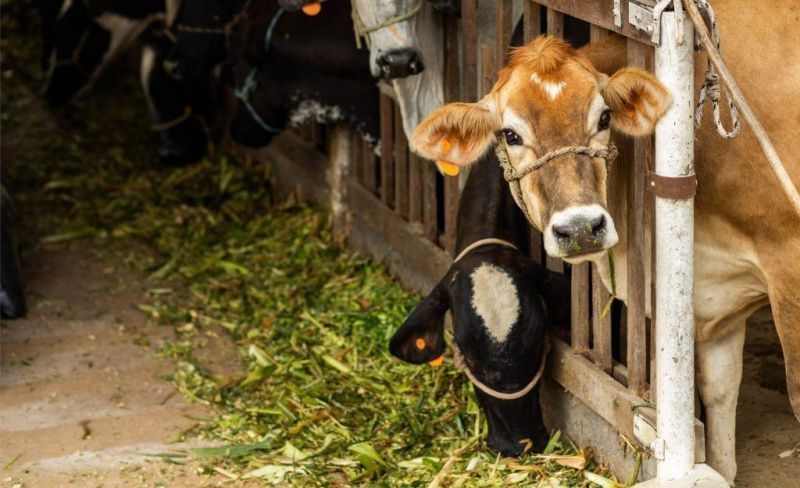
The focus on reducing production costs is crucial for Brazilian dairy farmers, particularly those in semi-arid regions. The initiative, supported by the National Confederation of Agriculture (CNA), advocates the integration of forage cactus with silage and hay production to create feed reserves that can sustain cattle through periods of drought.
The competitive edge of Brazilian dairy farming lies in its use of tropical pastures, which offer cost advantages over systems used in countries like the United States and some European nations. However, such practices must be adapted to the unique climatic conditions of Brazil's semi-arid areas, driving the need for innovative strategies like the current project.
João Martins emphasized the necessity of reducing production costs to boost profitability, drawing on efficiency benchmarks from leading dairy-producing countries. Brazilian producers also face challenges from imported milk from Argentina and Uruguay, which enters the market with subsidy support, increasing competition.
Over the past five years, Brazil has seen nearly a 20% reduction in the number of dairy producers, yet production has remained stable or grown due to technological advancements and increased productivity among active farms. The CNA has raised concerns with the Administrative Council for Economic Defense (Cade) regarding the impact of such imports on the income of small-scale dairy farmers.