Brazilian Cheese Achieves International Recognition
Archaeologists estimate that cheese production began around 8,000 years ago. The oldest evidence comes from Poland, where ceramic pots with milk fat residues dated to 5,500 BC were found, marking the earliest known dairy production in Europe. This discovery highlights the deep historical roots of cheese making.
Cheese production has been a part of various cultures around the world. Ancient Egyptians depicted cheese making in tomb paintings, while nomads in Tibet used yak milk for cheese. In the Indus Valley, an early form of paneer was developed. This cultural convergence demonstrates the widespread and independent development of cheese making techniques.
In Brazil, the first cows arrived in 1534 from Cape Verde. Initially used for labor and meat, dairy production began later. Early Brazilian cheese was a luxury item, reserved for the colonial elite. However, enslaved communities utilized cheese-making skills learned on plantations to sustain themselves, even establishing dedicated cheese rooms in quilombos.
By the 18th century, cheese became more widespread in Brazil. The Gold Rush period saw the creation of Queijo Minas Artesanal. European immigrants in the 19th century introduced cheese-making traditions to Southern Brazil, leading to the development of Queijo Colonial.
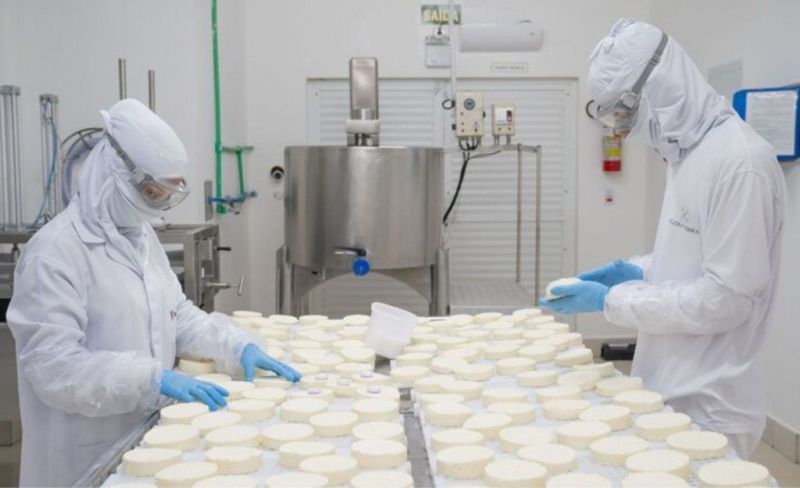
Brazilian cheeses have recently gained prominence in international competitions. In 2024, the Passionata cheese, infused with passion fruit, reached the top 10 at the World Cheese Awards. This achievement underscores Brazil's growing influence in the global cheese industry and the unique flavors its cheeses offer.
Additionally, the concept of Protected Designation of Origin (PDO) ensures that certain cheeses, like Roquefort, can only be produced in specific regions. This legal protection preserves traditional cheese-making practices and local characteristics that cannot be replicated elsewhere.