Brazil Ranked Second Worldwide for Growth in Dairy-Protein Launches
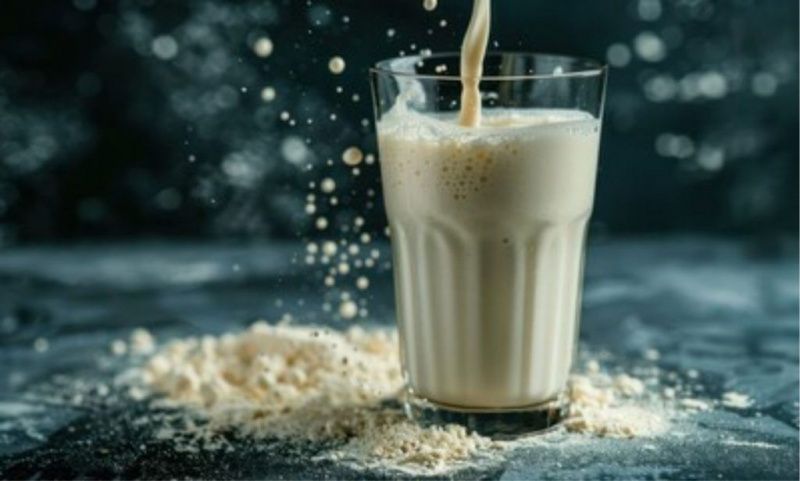
Brazil ranked tenth worldwide for the overall number of launches containing milk proteins, including milk-protein concentrate and isolate. Globally, such launches increased by more than 8% in 2025, the highest growth recorded for the sector, according to Innova Market Insights.
The figures were discussed at a seminar organised by the U.S. Dairy Export Council in São Paulo. More than 52 buyers, research and development teams, and food and beverage professionals attended the event. Speakers described a shift in how consumers assess protein products: attention is increasingly focused on the function of the protein, rather than only on the number of grams listed on the label. Immune support, brain health and muscle synthesis were among the benefits cited.
Eduardo Reis, a sports nutritionist, ABNE member and consultant to the IFBB Academy Brazil and CBF Academy, said that protein sources should not be treated as equivalent. He stated that dairy proteins are regarded as high-quality references in scientific publications because they contain substantial amounts of essential amino acids, including leucine, and have high digestibility and bioavailability.
The Digestible Indispensable Amino Acid Score, or DIAAS, is used to compare the digestibility of protein sources. At the seminar, dairy proteins were described as having higher scores than egg and plant proteins such as soy and pea, indicating greater absorption of essential amino acids for each gram consumed.
Leucine is found in high concentrations in milk and whey and contributes to muscle-protein synthesis. The ingredient is therefore being considered for products aimed beyond sports nutrition. Adults over 65 may require as much as twice the amount of leucine per meal needed by younger adults because of anabolic resistance, according to the information presented at the event. This has linked dairy protein with healthy ageing and the prevention of sarcopenia.
The growing use of GLP-1 analogue medicines for weight loss was also identified as a source of demand. Users of these medicines can lose muscle mass rapidly, making the intake of high-quality protein important during treatment. The event materials described obesity as a chronic condition and characterised the associated demand for protein as potentially lasting beyond a short-term dietary trend.
Keith Meyer, the USDEC’s global marketing director for ingredients, said Brazilian manufacturers were using dairy ingredients in a wider range of products. These included baked goods, snacks, frozen desserts, yoghurt, confectionery and ready-to-eat meals, rather than only sports supplements.
The expansion corresponds with four of the ten food and beverage trends identified by Innova for 2026: preference for protein quality over quantity; demand for taste and texture in products marketed as healthy; growth in protein drinks linked to lower sugar content; and packaging adapted to different consumption occasions, including single portions and packs designed for sharing.
Supply is also expanding in the United States, where companies are building plants for high-value proteins and functional dairy ingredients. The country’s dairy herd is the largest it has been in 33 years, according to the information presented. US suppliers serve Brazilian manufacturers with whey-protein concentrates and isolates, as well as milk-protein concentrates and isolates, for products positioned at higher value. USDEC provides market intelligence, technical assistance and formulation advice to Brazilian producers.