Brands Must Substantiate Claims as Functional Beverages Rise
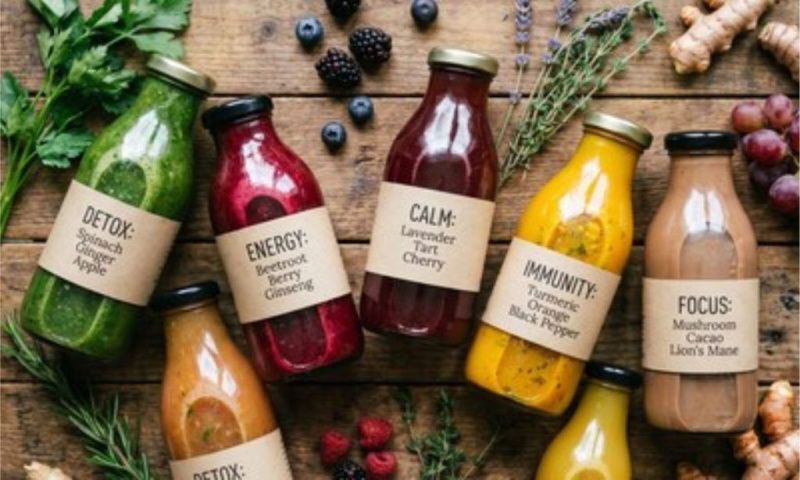
Consumers are increasingly choosing drinks for specific everyday benefits rather than for ingredients alone. EY’s Consumer Beverage Survey 2026 found that 97% of American respondents had adopted health and wellness behaviours during the previous two years. Vhari Russell, founder of Food Marketing Experts, said that this shift was “completely reshaping the innovation pipeline”. PepsiCo said its development process now begins with the benefit consumers seek, such as hydration, nutrition, digestive support, energy or recovery, before science is used to determine how to deliver it.
Functional juice shots containing ingredients such as ginger and turmeric remain popular. In Asia-Pacific, brands are using plant-based and Ayurveda-inspired formulations. In Britain, shots generated £100m in sales in May 2026. Products offering modest, practical and targeted benefits are being positioned alongside formulations based on recognisable natural ingredients for energy, digestion, immunity and general wellbeing.
Demand varies according to the occasion and the consumer. Some buyers seek hydration, while others want protein for muscle maintenance or fibre and prebiotics for digestive wellbeing. Interest in gut-health drinks and functional shots is strong. Electrolyte products are also moving beyond sports use, with premium powders attracting consumers who want to manage sugar levels and flavour intensity while maintaining hydration.
Relaxation and stress-reduction drinks are another expanding category. Innova Market Insights puts annual growth in relaxation beverages at 19%, a rate comparable with gut-health drinks. Sparkling waters containing magnesium combine a familiar format with a mineral associated with calm. Products marketed for cognition and focus, including those containing nootropics and adaptogens, are also gaining shelf space as consumers look for alternatives to conventional energy drinks.
Regulation is placing tighter conditions on functional claims. In the European Union, claims about a food’s effect on bodily functions are treated as health claims rather than simple nutrition claims and are prohibited unless authorised. The European Commission relies on scientific assessments by the European Food Safety Authority. About 44,000 food and drink health claims were submitted to the Commission and EFSA in 2008; since the approved list was published in 2012, only 16 changes have been authorised.
In the United States, FDA rules require health claims to be supported by robust scientific evidence and prohibit suggesting that a beverage treats or reduces the risk of a disease or health condition. Britain’s Competition and Markets Authority can impose fines of up to 10% of a corporate group’s global turnover for breaches of consumer law, including misleading claims. Simon Barker of Freeths said scientific substantiation and regulatory compliance now carry as much weight as product development and marketing creativity. Russell said brands should disclose what a claim covers, the dose and source of each ingredient, and why it is present at that amount. PepsiCo said flavour remains the most decisive factor in the United States and Britain, while protein and digestive health continue to draw interest because of their established consumer uses.