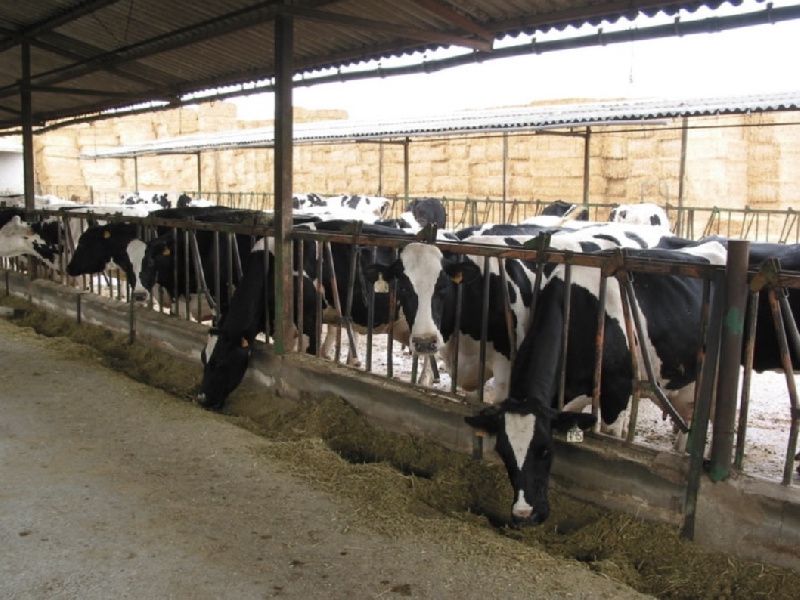
Bird flu detected on 27 Washington dairy farms in three weeks

The Washington State Department of Agriculture identified the initial infections in two dairy herds in Yakima County at the beginning of October. On October 26th, it announced a detection of highly pathogenic avian influenza (HPAI) in Benton County. Washington became the 20th American state to identify avian influenza in dairy cattle.
The Washington Animal Disease Diagnostic Laboratory had performed over 7,000 avian-influenza tests on individual farms during the preceding two years. According to Itle, those tests had all returned negative results until three weeks before the report. Farms throughout the affected milk-producing area are now undergoing testing each week.
Itle said incomplete understanding of how HPAI passes between farms would complicate containment. Moving infected dairy cattle or contaminated equipment between premises are established routes of transmission. She also cited research suggesting that flies, wind and possibly birds travelling between farms could carry the virus.
On food safety, Itle said milk from infected cows did not present a risk for human consumption. The department nevertheless recommended consuming pasteurised milk, as processing kills the virus. Itle also said the virus had not been detected in meat.
The department listed reduced milk output and altered milk appearance among the symptoms in cattle. Other signs include diminished appetite, fever, breathing problems and changes in manure. With appropriate treatment, most affected cattle recover within six weeks, according to the agency.
State agriculture officials advised separating animals suspected of infection from other livestock and notifying the department of symptoms. Reports can be sent to ahealth@agr.wa.gov or made by telephone on (360) 902-1878.