Banco do Brasil: over 90% of farmers remain current on payments
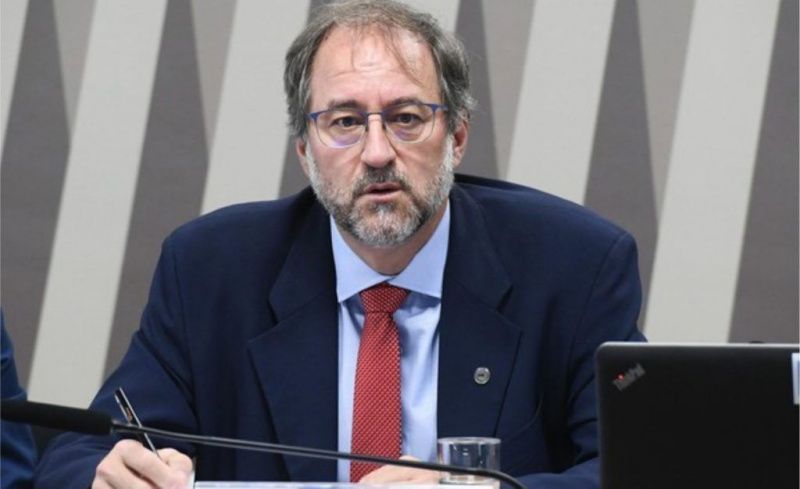
Speaking to reporters this week, Bittencourt acknowledged liquidity difficulties among farmers but described the sector as financially structured and capitalised. Commodity prices had fallen from their pandemic levels as they returned to what he called normal conditions, while farmland and farmers’ assets had appreciated. Some producers had come under pressure from prices, he said, but agricultural production continued. He urged the sector to build savings during favourable periods to help manage subsequent fluctuations in prices or income.
Bittencourt contrasted current borrowing and repayment difficulties with those of the late 1980s and mid-1990s. During that earlier period, he said, farmers reduced cultivated acreage and investment, and output fell substantially. Today, planted area was stable or expanding, depending on the crop, while expectations for production and yields remained high, indicating continued investment. In his assessment, the recent recovery in commodity prices, prospects for a good 2026/27 harvest and declining interest rates offered scope for an improvement in farmers’ repayment capacity. Higher commodity prices could also give producers somewhat larger margins in that season, he said.
Debt restructuring under Provisional Measure 1.376/2026 offers repayment periods of up to ten years to producers affected by weather-related losses or market fluctuations. Bittencourt encouraged farmers with overdue debt, as well as those whose loans had already been extended but still had relatively near-term maturities, to seek renegotiation. Under the arrangement he described, their first interest payments would fall due in six months, during a new harvest and with new prices. He said expectations of better future income should be an additional consideration for farmers seeking to resolve their debts and retain access to lending.
Banco do Brasil expects the default rate on its agribusiness portfolio to stabilise in the final quarter of this year and start declining in 2027. The rate stood at 6.27% in July. This week, the bank said debts totalling R$16 billion were being assessed for restructuring under the provisional measure. Payment conditions had nevertheless yet to improve. According to the account, expectations surrounding the election campaign and the possibility of further measures to address agricultural debt had prompted more borrowers to delay rural-credit instalments, affecting defaults.
Bittencourt warned that remaining in arrears for longer would worsen a producer’s risk profile and make future borrowing harder at any financial institution. Given the importance of financing to agriculture, he said, the effects of default spread quickly across lenders. “Credit is trust; to have trust, there has to be that relationship on both sides,” he said. Farmers who regularised their debts would improve their access to finance both at Banco do Brasil and elsewhere, he added. In his assessment, continued high defaults were detrimental to producers and the wider market.
Record defaults have also increased the loss provisions the bank must hold. In the first half of the year, provisions for risks associated with its R$421.5 billion rural-credit portfolio amounted to R$43.6 billion. Bittencourt said restructuring under Provisional Measure 1.376/2026 should reduce provisioning requirements only over the medium term, with take-up among borrowers in arrears below the bank’s expectations. He distinguished between extending a loan that remained current and restructuring one already in default: the latter could require a very large provision, depending on how long payments had been overdue.
For restructuring agreements, Banco do Brasil had therefore been applying requirements under Central Bank Resolution 4.966/2021 for an upfront payment or security through fiduciary transfer of title. In some cases, collateral supplied by borrowers or the start of instalment payments could allow provisions to be reversed. Bittencourt said an extended loan that remained current might not require a particularly large provision. When a borrower resumed paying interest after six months, the bank could begin treating the loan as recovering. The timing and extent of that improvement would depend on each borrower’s circumstances, he said, rather than occurring immediately and uniformly across all renegotiated loans.