Baja California Explores BCG Vaccine for Bovine Tuberculosis Control
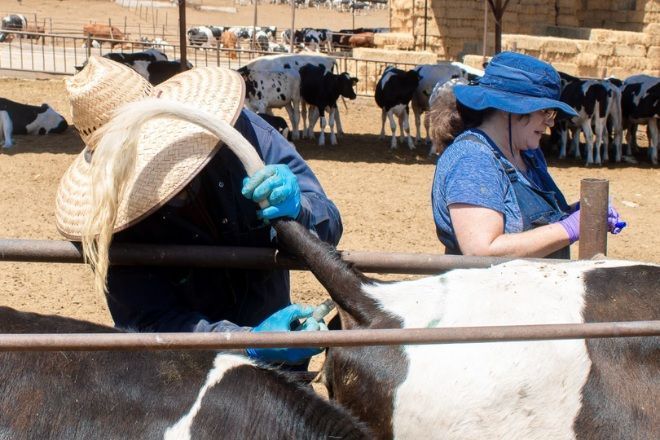
The Secretariat of Agriculture and Rural Development of Baja California (SADER BC) has initiated a collaborative research project with the United States Department of Agriculture (USDA) to evaluate the Bacillus Calmette-Guérin (BCG) vaccine's effectiveness in preventing and controlling bovine tuberculosis (Mycobacterium bovis) in dairy cattle. This binational effort aims to fortify animal health along the northern border.
Mónica Vargas Núñez, head of SADER BC, highlighted the ongoing challenge bovine tuberculosis poses to dairy farming due to its contagious nature and detrimental impact on cow productivity. The zoonotic nature of the disease, which can be transmitted to humans, makes it a strategic priority to control and reduce its prevalence in dairy units to protect both the sector's economy and public health.
The research seeks to provide solid scientific evidence on using the BCG vaccine to reduce transmission rates and disease burden within dairy herds. Evaluating the immune response of the vaccine under intensive production conditions will generate key data to optimize regional health strategies. This could lead to more efficient epidemiological control schemes complementing traditional tuberculin tests.
The project's implementation involves coordination with leading Mexican health organizations such as the National Service for Agri-Food Health, Safety and Quality (SENASICA), the National Promoter of Biological Vaccines (PRONAVIBE), and the local Animal Health and Safety Execution Authority. This technical alliance supports biosecurity and innovation programs promoted by Baja California's governor, Marina del Pilar Ávila Olmeda.
The potential validation of the BCG vaccine as a prophylactic measure against bovine tuberculosis could transform the health management of dairy basins in Mexico. It could reduce the need for animal culling and safeguard the genetic capital of livestock operations. Elevating Baja California's zoosanitary status is crucial for ensuring the safety of fluid milk produced in the region and maintaining seamless cross-border livestock trade.