Australian Dairy Farmers Convened at Bale Up
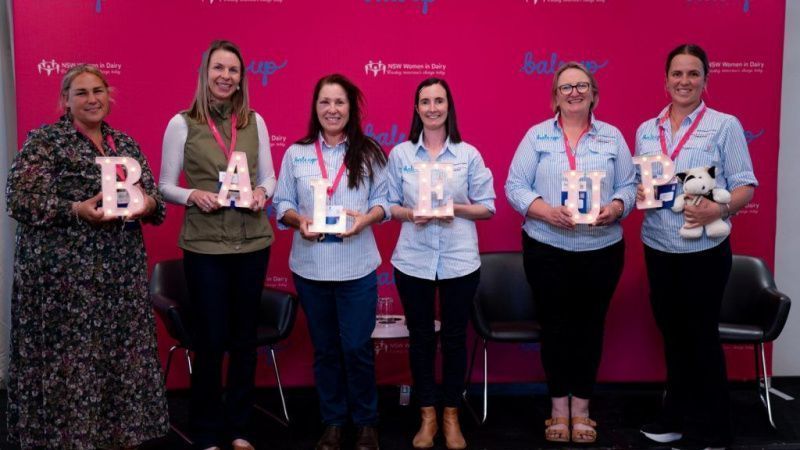
The annual Bale Up conference brought together roughly 100 dairy farmers and industry service providers in Canberra under the theme “Leading the Herd”. The New South Wales Department of Primary Industries and Regional Development was the event’s naming-rights sponsor. The three-day meeting provided sessions for professional development, business networking and exchanges between farmers from production areas including the South Coast, Hunter Valley and northern inland districts.
Bale Up has been held since 2017 and has moved between major dairying regions in New South Wales. Organisers said dedicated forums outside the daily milking routine give producers opportunities to develop management skills and plan for their businesses. The conference also enabled farmers from different production basins to compare working practices and commercial priorities.
Much of the programme addressed labour productivity and staff retention. Participants discussed ways to organise herd-health work, milking routines and calf rearing when farms face limited access to workers. Sessions also examined the contribution of women operating commercial dairies, including responsibilities for herd nutrition, pasture management and financial administration.
Workshops and smaller discussion groups covered workflow comparisons, automated dairy equipment and biosecurity procedures. Farmers also exchanged information about buying inputs, storing fodder and managing water assets. These discussions took place as producers dealt with higher feed, machinery-maintenance and energy costs, alongside changing seasonal margins and processor milk-price contracts.
Opening milk-payment announcements for the current production season had provided a degree of stability in eastern production regions, while New South Wales output remained affected by weather conditions and pasture performance. Participants discussed controlling the cost of producing each litre of milk and maintaining delivery volumes to regional processing plants. The conference’s broader agenda included farmgate prices, milk production and developments in New Zealand’s dairy industry.
Keynote speaker Sam Longmore, an agricultural entrepreneur and disability advocate, addressed adaptive management, operational risk and problem-solving during physical and economic disruptions. Other discussions covered succession planning, debt restructuring and partnership agreements. Organisers said the demands of daily farm operations often leave limited time for executive training and formal reviews of business finances.
At the close of the conference, industry leaders described the gathering as an important annual opportunity for rural participants to concentrate on enterprise development, wellbeing and strategic goals. They also highlighted links between producers and technical agribusiness specialists as a means of sharing research and animal-husbandry standards. The event’s programme included the Dairy Industry Awards and the International Dairy Federation, known as IDF-FIL, among its listed topics.