Australian dairy farm becomes first to combine virtual fencing and robotic milking
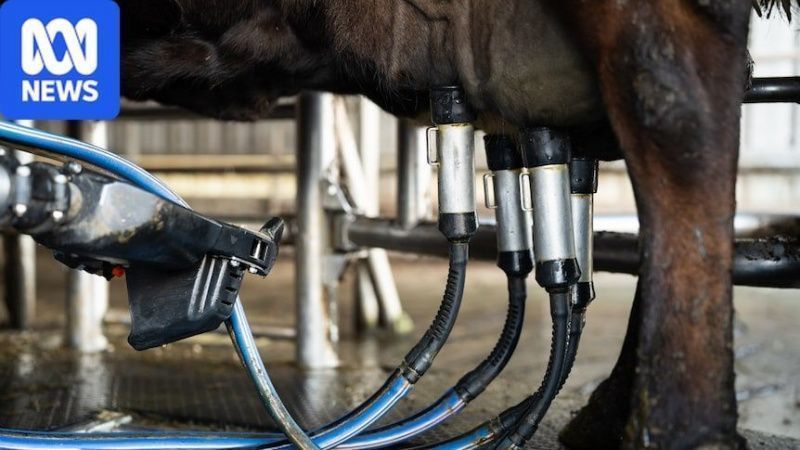
Simon Badcock uses a smartphone app to establish virtual boundaries that direct cattle towards the milking shed. Once the animals arrive, machines attach the milking equipment automatically. The couple can supervise the process remotely, including while visiting a cafe. Badcock said his routine now centres on monitoring operations, inspecting the herd and cleaning the equipment, rather than being present throughout milking.
The collars use GPS to monitor individual animals' whereabouts and health. A patented machine-learning system, described as a “cow-gorithm”, guides cattle between virtual paddock boundaries using vibrations, sounds and the behaviour of the herd. An animal that fails to respond receives a low-energy electrical pulse. The Badcocks use these signals to bring groups of cows from their paddocks to the dairy.
According to Sonia Badcock, the animals associate entering a milking robot with receiving grain and leaving it with access to fresh grass. Each machine reads a cow's ear tag to establish its identity and determine whether it should be milked. If the interval since its previous milking is too short, the cow feeds and leaves without being milked. The robots remain available continuously; when a cow enters, a gate shuts behind it and the machine identifies the animal before proceeding.
The couple need to attend when a collar or robot raises an issue requiring immediate attention. Badcock said each robot serves nearly 100 cows, leaving little room for extended equipment downtime. Faults sometimes require a night-time visit, perhaps once a week. He said they were continuing to improve the efficiency of operating the two technologies together and that running the farm was becoming easier.
Megan Verdon, a researcher at the Tasmanian Institute of Agriculture who has investigated the welfare implications of GPS collars, said virtual fencing had changed labour requirements and infrastructure in the state's dairy sector. She said removing physical barriers allowed farmers to reconsider how their production systems were designed. She also called for research into combining virtual fencing with autonomous dairies in which cows initiate their own visits for milking.
Verdon said bringing cows to the robots as a group raised questions about their ability to choose when they were milked, a feature associated with the development of robotic systems. She said the welfare implications of that arrangement required investigation. Cows waiting in a yard to enter the robots faced conditions similar to those in a conventional dairy, she said. In her assessment, the main difference between Badcock's batch-milking approach and conventional milking was the absence of a person, which could have either positive or negative effects.
Verdon said farmers still needed animal-health knowledge, while the technology could ease workloads for those already working more than 12 hours a day. Halter collars are approved in every Australian state except Western Australia, where they are undergoing assessment.