Australia's Visa Changes Delay Dairy Workers
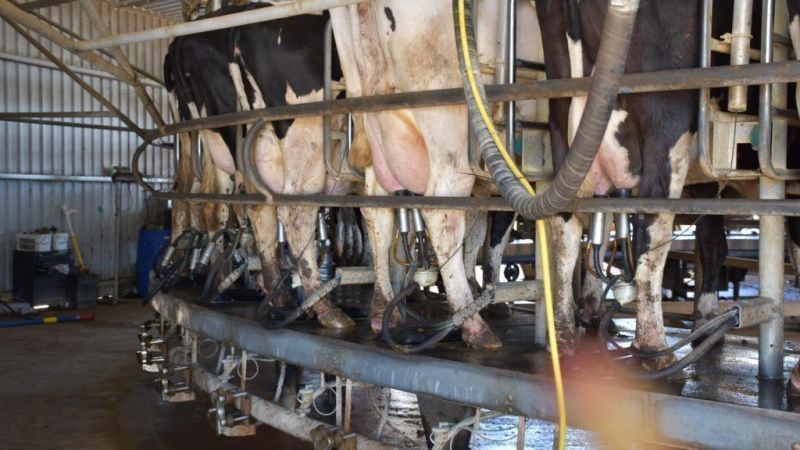
Australian Dairy Farmers, the industry's peak body, has criticised an abrupt change to visa processing. Ben Bennett, the organisation's president, said the reform was introduced without prior consultation or communication with the primary production sector.
Dairy producers commonly spend between $10,000 and $12,000 on each overseas worker. The expenditure covers government filing fees, skills assessments and the administrative work involved in sponsorship. These payments are made to recruit people for positions that producers say cannot be filled from the domestic labour market.
Some candidates have already been waiting as long as six months. Following the policy change, their applications face delays whose duration has not been specified. The uncertainty affects farms that have paid the required charges and organised recruitment around the anticipated arrival of overseas staff.
The backlog is affecting large commercial operations. Belinda Clymo, a dairy farmer in Calivil, milks about 3,000 cows. Marcus Flanagan, who operates in Finley, runs a 1,200-cow dairy. Both producers have said that international recruits are needed to maintain the scale of their businesses and to support training routes across different levels of herd management.
With recruitment processes stalled, producers face constraints when expanding their businesses or replacing workers who leave through normal staff turnover. The source describes those constraints as both financial and logistical. Existing employees, farm owners and family members are required to cover work while farms wait for decisions from the Department of Home Affairs.
The timing coincides with spring calving, a period when labour requirements increase. Lactation cycles and calving operations cannot be postponed while visa approvals are pending. Industry leaders have linked the resulting labour shortages to heavier workloads for remaining staff and identified risks including fatigue, workplace accidents, setbacks in animal welfare and failure to comply with food-safety requirements during the busiest part of the dairy year.