Australia commits $13.78 million to 36 livestock biosecurity projects

The competitive funding round supports work against emerging pests, established infections and animal diseases that can spread across national borders. Beth Jones, chief executive of Agriculture Victoria, said protecting the state's dairy, beef, sheep and pig industries required continuing practical investment in monitoring disease, maintaining hygiene on farms and preparing to respond quickly to outbreaks.
Money for the programme comes from duties and levies imposed on commercial transactions involving cattle, sheep, goats, pigs and carcasses within Victoria, together with contributions from registered beekeepers. Advisory committees organised by livestock species oversaw the assessment of applications. The arrangement channels industry-generated funds into projects addressing animal health and preparedness across the state's agricultural sectors.
One funded initiative is the forthcoming Regional Truck Wash Upgrade Grants Program. It will support improvements to wash bays used by livestock vehicles in regional areas, as well as facilities for disposing of effluent. The planned upgrades address the movement of pathogens on transport equipment travelling between farms and other locations along commercial livestock routes.
The Victorian Farmers Federation (VFF) has developed another recipient initiative, the Farm Access Credential, described as Australia's first accredited qualification of its kind. Its online curriculum is intended for contractors working outside agriculture, utility personnel and technicians whose jobs require farm visits. Training focuses on how these visitors can enter working farms while observing biosecurity requirements at the property boundary.
The University of Melbourne received support to develop a clinical framework based on evidence for managing coccidiosis in piglets, with the aim of improving intestinal health. Funding also went to the Victorian Apiary Resilience and Development (VARD) Project. That initiative will help commercial beekeepers contain threats including American Foulbrood and Varroa mites.
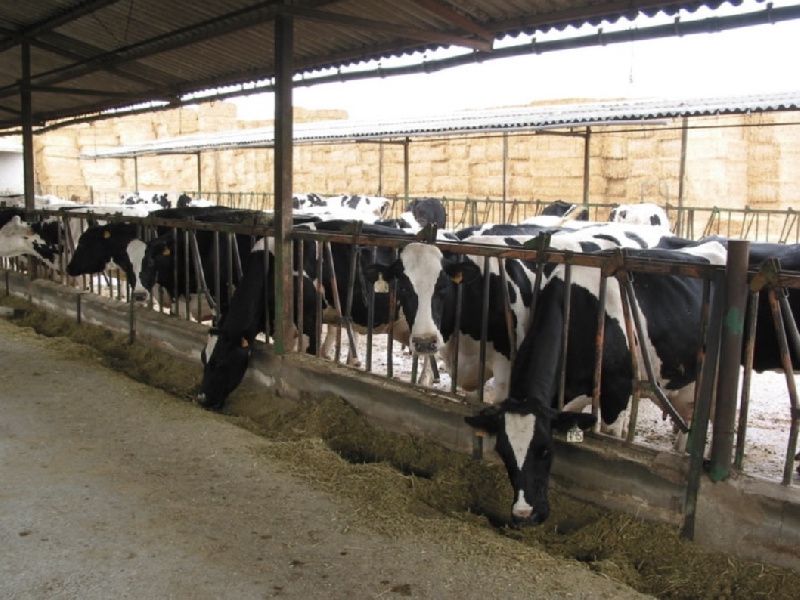
The dairy areas covered by the biosecurity measures include Gippsland, Western Victoria and the Murray region. The article identifies contaminated animal-transport trailers, equipment shared for hoof trimming and visitors entering without monitoring as routes by which infections can pass between dairy farms. It names bovine viral diarrhoea, Johne's disease, Salmonella and emerging respiratory infections among the disease concerns associated with such movements.
For dairy operations, the farm-entry credential and vehicle-washing improvements are intended to limit the transfer of infectious milk, faeces and other biological fluids between properties. The article also links biosecurity protection to Victoria's dairy and meat export businesses, noting that overseas trading partners require traceability and assurances of freedom from disease under guidelines issued by the World Organisation for Animal Health (WOAH).