Assam Sets Five-Year Dairy Expansion Plan
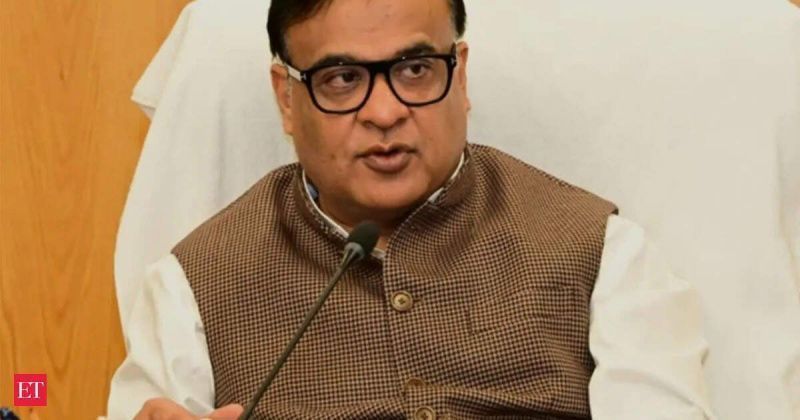
Assam Chief Minister Himanta Biswa Sarma has reviewed the state’s dairy sector and instructed officials to pursue measures covering production, cooperatives, processing and the wider dairy value chain. The review considered milk availability, demand, production volumes and the distribution of dairy activity across districts.
Officials reported that Assam produces 33.53 lakh litres of milk each day, equivalent to estimated annual output of 12,240 lakh litres. The state has 2,006 organised Dairy Cooperative Societies (DCS), but 1,032 of them are registered. The meeting also examined the implementation of a ₹5 subsidy scheme, including its reach, the DCS registration portal and gaps in beneficiary coverage.
Processing projects
Existing dairy-processing capacity stands at 4.95 lakh litres per day. Facilities with a combined capacity of 4.20 lakh litres per day are being developed; if they become operational, total capacity would rise to about 9.15 lakh litres per day.
The planned projects are located in Bajali, Kaliapani in Jorhat, Lahowal in Dibrugarh, Rangajan Gaon in Dhemaji, Jamugurihat in Sonitpur and Rani in Kamrup. The state’s plan links the processing expansion with milk collection and marketing arrangements.
Cooperatives and procurement
Mr Sarma called for work involving the Veterinary Department, the Cooperative Department, processors and dairy farmers. Officials are to hold a day-long brainstorming session on the dairy ecosystem. Its agenda will include revising the subsidy framework, identifying areas with high milk output, supporting established milk-producing pockets and assessing a hub-and-spoke model for collection and processing.
The chief minister also directed officials to establish a Dairy Cooperative Society in every village. The plan gives particular attention to women-led cooperatives and to the conservation and promotion of the Lakhimi cattle breed. Separately, vacant posts in the Directorate of Dairy Development are to be filled through direct recruitment and promotion. A comprehensive livestock survey is also scheduled to provide data for planning and targeted interventions.
The five-year roadmap covers milk production, procurement, processing and cooperative participation together. Its stated measures include broader village-level collection, new processing facilities, expanded formal cooperative coverage and increased participation by women in dairy organisations.