Argentina loses more than 55,000 dairy cows in a year
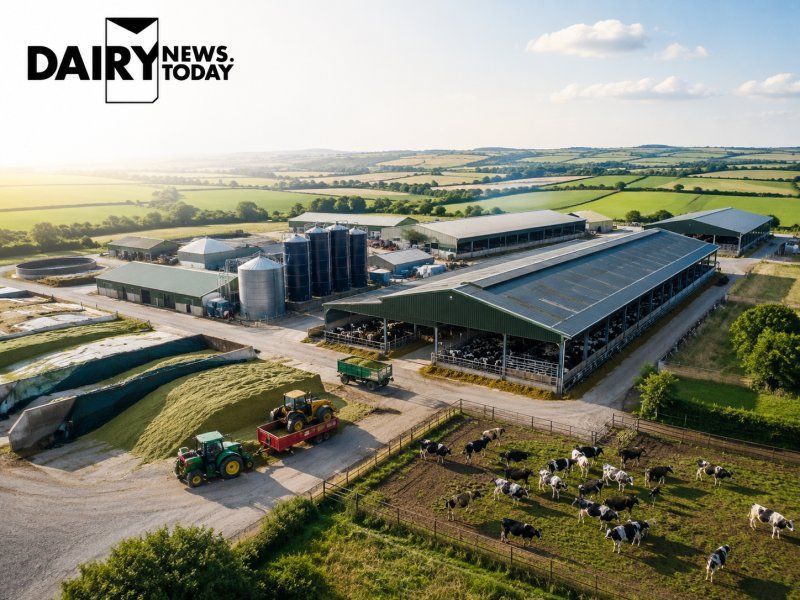
Financial pressures are prompting some dairy farmers to sell cows for processing to raise cash and meet payment obligations. Culling is a routine part of herd management, but the report notes that bringing sales forward for financial reasons can reduce farms' productive assets. Such sales provide immediate revenue while potentially removing animals that could otherwise remain in the milking herd. OCLA distinguished the recent acceleration in animal losses from the longstanding downward trend in the number of dairy farms.
The average farmgate milk price reached 550.25 Argentine pesos per litre in October, according to the Sistema Integrado de Gestión de la Lechería Argentina (SIGLeA). This represented a nominal increase of 1.3% from September. Feed, animal health, breeding and maintenance expenses continued to constrain farm finances. The erosion of the purchasing power of milk receipts particularly affects small and medium-sized producers, whose financial resources offer less scope to absorb rising costs or extended periods of narrow margins.
Argentina had 8,702 dairy farms in October 2026, according to information published by La Arena and Bichos de Campo. The average herd per farm fell from 167 cows in October 2025 to 165 a year later. Alongside farm closures, the figures therefore also show a decrease in the average number of animals held by operating dairy establishments.
Production remains concentrated in the central dairy region comprising Santa Fe, Córdoba, Buenos Aires and Entre Ríos. According to OCLA, those four provinces account for 90.8% of dairy farms and 95.6% of dairy cows. Santa Fe has the largest number of dairy establishments, whereas Córdoba holds the largest cow population.
Industry representatives consulted by Bichos de Campo did not necessarily expect the smaller herd to bring an immediate fall in national milk output. Estimates cited by the publication envisaged production finishing 2026 approximately 3% above its 2025 level. For 2027, they projected slower growth of between 1% and 2%. Those expectations remain dependent on economic developments, production conditions and the weather.
The report also identified international dairy prices and the seasonal contraction in milk supply following October's production peak as factors that could support an improvement in farmgate receipts towards the end of the year. It linked the need among some producers to sell cattle for liquidity to their financial difficulties, describing pressure to fund day-to-day operations while retaining animals that contribute to production.