Analyzing the U.S. Weather in 2023: The El Niño Factor
As we reflect on 2023, the year was marked by significant weather events affecting crops and livestock in the United States. Meteorologist Brad Rippey from the USDA breaks down two prominent weather occurrences: extreme heat in the South and persistent drought across the South and Midwest.
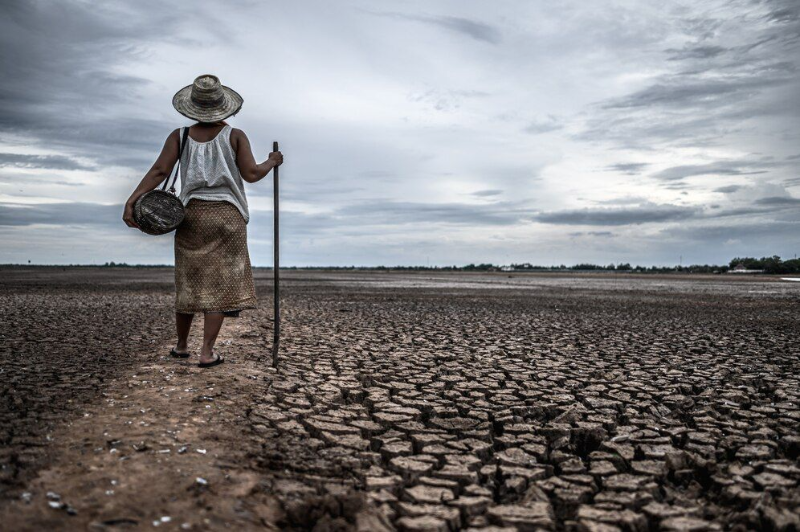
Extreme heat during the summer months was concentrated in the deep South, impacting regions from Arizona to Florida. This resulted in severe consequences for crops like cotton in west Texas and sugar cane production in Louisiana. The overall high temperatures, contributing to the hottest summer on record, made it a significant weather story for the deep South.
Simultaneously, drought conditions persisted in various areas, notably in the Midwest. However, unlike the deep South, these droughts did not coincide with extended intense heat. Rippey notes that this fortunate circumstance, especially in the Corn Belt, contributed to better-than-expected outcomes for U.S. corn crops.
The USDA's projection for the 2023 U.S. corn crop is the largest on record, and Rippey attributes this to the absence of extreme heat combined with drought. Despite challenging conditions, the mild temperatures in states like Iowa, along with improved crop varieties, played a role in averting more significant losses.
While crop yields exceeded expectations for some farmers, the persistent lack of moisture created challenges for grazing conditions and hay stocks, impacting the effort to rebuild the shrinking U.S. cattle herd.
Regarding the intense heat in the South, Rippey suggests that it may be linked to an early onset El Niño. The presence of El Niño, characterized by a high-pressure ridge extending from Central America to the southern U.S., could have contributed to the extreme heat.
Furthermore, Rippey connects El Niño to the shipping crisis affecting exports in 2023. The heat-related issues in Mexico and Central America, including the Central American drought causing shipping problems in the Panama Canal, might be influenced by El Niño.
Analyzing the drought in the Midwest, Rippey points to a blocking high pressure over Canada, which persisted throughout the spring, summer, and fall. This high pressure, combined with Northeasterly winds blocking Gulf moisture, contributed to the drought conditions in the Midwest.
As El Niño remains a significant player, Rippey anticipates its strong influence on U.S. weather patterns continuing into early 2024. The forecast suggests "pretty profound" impacts for the remainder of winter and possibly into spring.
Simultaneously, drought conditions persisted in various areas, notably in the Midwest. However, unlike the deep South, these droughts did not coincide with extended intense heat. Rippey notes that this fortunate circumstance, especially in the Corn Belt, contributed to better-than-expected outcomes for U.S. corn crops.
The USDA's projection for the 2023 U.S. corn crop is the largest on record, and Rippey attributes this to the absence of extreme heat combined with drought. Despite challenging conditions, the mild temperatures in states like Iowa, along with improved crop varieties, played a role in averting more significant losses.
While crop yields exceeded expectations for some farmers, the persistent lack of moisture created challenges for grazing conditions and hay stocks, impacting the effort to rebuild the shrinking U.S. cattle herd.
Regarding the intense heat in the South, Rippey suggests that it may be linked to an early onset El Niño. The presence of El Niño, characterized by a high-pressure ridge extending from Central America to the southern U.S., could have contributed to the extreme heat.
Furthermore, Rippey connects El Niño to the shipping crisis affecting exports in 2023. The heat-related issues in Mexico and Central America, including the Central American drought causing shipping problems in the Panama Canal, might be influenced by El Niño.
Analyzing the drought in the Midwest, Rippey points to a blocking high pressure over Canada, which persisted throughout the spring, summer, and fall. This high pressure, combined with Northeasterly winds blocking Gulf moisture, contributed to the drought conditions in the Midwest.
As El Niño remains a significant player, Rippey anticipates its strong influence on U.S. weather patterns continuing into early 2024. The forecast suggests "pretty profound" impacts for the remainder of winter and possibly into spring.
Key News of the Week