Amy Wright Receives Jersey Australia Distinguished Service Award

Jersey Australia presented Amy Wright with its Distinguished Service Award for a career devoted to dairy genetics and herd improvement. The organisation’s general manager, Glen Barrett, credited Wright with supporting breeders and helping Australian dairy farmers develop cow families, functional type traits and long-term breeding programmes.
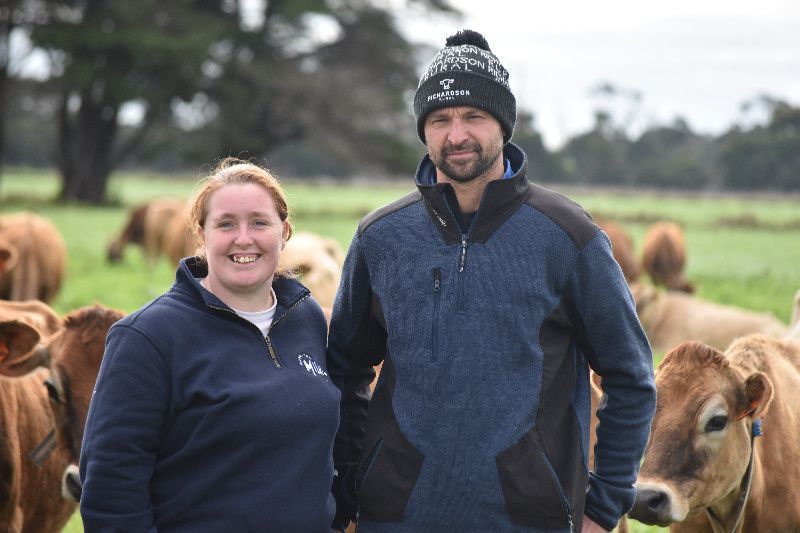
Wright has worked as an independent breeding specialist with World Wide Sires since the late 1990s. Although she owns about 40 cattle, kept across client farms, she approaches her work as though she were responsible for thousands of cows. Her advisory activities take her more than 60,000 kilometres by road each year.
Her recommendations are based on examining individual cows directly on farms. Wright uses those assessments to develop mating advice suited to the operating conditions and commercial requirements of each herd. Her client relationships extend across Victoria and other parts of Australia.
Wright places emphasis on cow structure and herd performance rather than current marketing preferences. She is known for assessing sires independently of the company that sells them and has said that clear communication is important to safeguarding farmers’ livelihoods. Jerseys, Holsteins and other breeds each account for about half of her workload in aggregate.
Her work has coincided with genetic progress in Australia’s Jersey population. The source attributes that progress to structured mating programmes and the selective use of genomic testing. Wright has also served as a mentor in the artificial-breeding and genetics sector, entering the profession at a time when women advisers were uncommon.
Early support from Stewart Jackson of Colac Herd Improvement helped Wright establish herself in the industry. Leaders at Select Sires and World Wide Sires now identify her as a mentor to young women pursuing agricultural and dairy-consulting careers in Australia. Jersey Australia’s award recognises the role of field advisers in applying genetic research to farm-level breeding decisions as dairy farmers face changing climate conditions, water availability and production costs.