Alvoar Opens Factory to More Than 400 Milk Producers
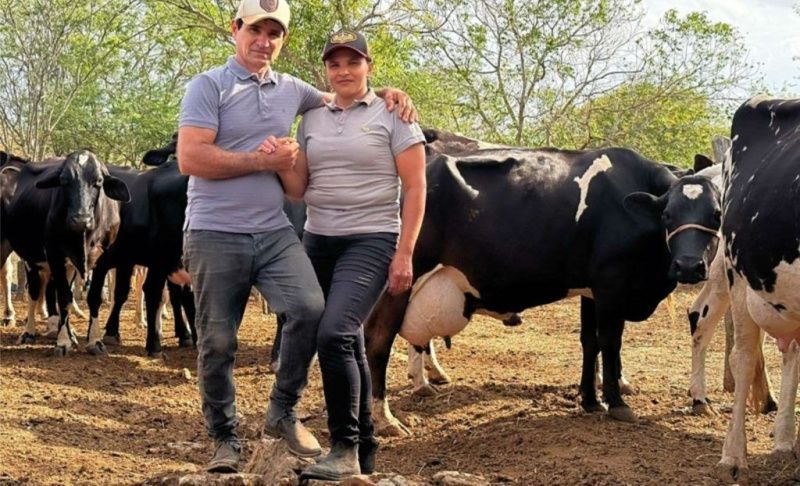
Nossa Senhora da Glória, in Sergipe’s Alto Sertão region, produces about 97m litres of milk a year, according to Brazil’s Municipal Livestock Survey. The municipality is known as the “Milk Capital” and lies in a region responsible for more than 70% of the state’s milk output.
The town also brings together dairy processors, cheese makers and cooling facilities that receive milk from neighbouring municipalities. The local supply chain includes family farms as well as small and medium-sized producers, alongside collection, transport, processing and sales operations.
Alvoar Lácteos operates in Sergipe with a network of more than 400 milk producers across 29 municipalities. The suppliers deliver an average of over 200,000 litres per day. The company provides the cooling tanks required to preserve the milk between collection at the farm and its arrival at the industrial plant.
From September 16th to 19th, Alvoar will take part in ExpoGlória 2026, a major event for the region’s dairy industry. At its stand, producers and sector professionals will discuss issues including raw-milk quality standards and the operational difficulties faced by farms.
On September 17th, the company will hold its “Open Doors” programme at its plant in Nossa Senhora da Glória. Participating producers will be shown the stages that follow the departure of milk from their farms, including raw-material reception, quality checks and the manufacturing process that produces goods for consumers.
Armindo Neto, Alvoar’s director of milk procurement, said the two activities would bring together the industry’s perspective and producers’ experience. “At ExpoGlória, we can combine the industry’s perspective with the experience of those who produce, identify the main obstacles and build solutions to improve quality and efficiency on the farm,” he said.
Regarding the factory visit, Mr Neto said: “The factory visit allows producers to understand, in practice, how the care taken on the farm and the quality of the raw material influence the following stages of production. As a result, they understand more clearly the reason for each quality criterion and can apply the guidance in their daily farm routine.”