Alpura: cheeses provide 21–24 grams of protein per 100 grams
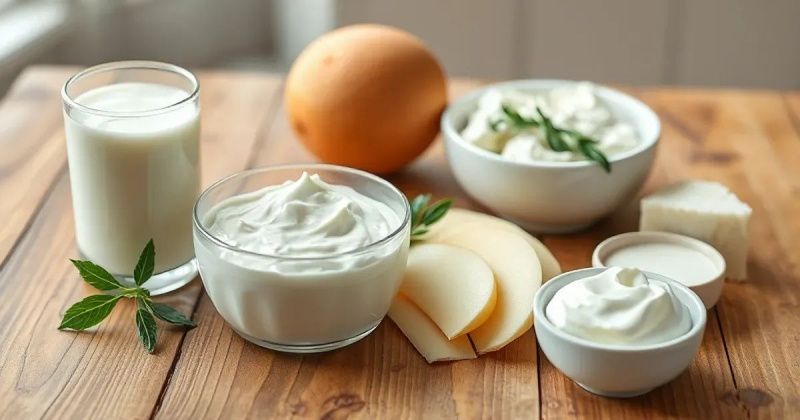
The comparison gives protein concentrations of 22.6 grams per 100 grams for asadero, 21.6 grams for Chihuahua cheese and 21.4 grams for añejo. Plain Greek yoghurt contains 9 grams per 100 grams, against 3.15 grams for whole milk. Sour cream serves chiefly a sensory and fat-providing role, according to the analysis. It also states that lactose-removal processes act on milk sugar without reducing protein content, while specialised concentrated milk lines can supply as much as 54 grams of protein per litre.
The analysis attributes the higher protein concentrations in cheese and Greek yoghurt to the removal of water and whey during enzyme-driven curd formation or mechanical straining. These processes concentrate milk’s native casein and whey-protein fractions. It links the preservation of digestibility and the full essential-amino-acid profile to milk quality from the farm onwards. In particular, it identifies routine forestripping and antiseptic teat preparation before milking as measures to prevent environmental mastitis and control somatic-cell counts, limiting enzymatic breakdown of casein.
After milking, the account specifies rapid cooling of raw milk to 4°C in refrigerated tanks to stabilise titratable acidity before collection. At certified processing plants, it describes continuous pasteurisation above 72°C or ultra-high-temperature treatment at 138°C for four seconds, followed by aseptic filling into multilayer packaging. According to the analysis, these controlled heat treatments provide microbiological safety while preserving the biological value of milk proteins.
In its discussion of Mexico’s retail market, the account describes pasteurised milk, strained yoghurt and genuine cheese being sold alongside blended dairy preparations, cheese analogues and plant-based drinks. It discusses substitute formulations using imported dried whey, modified starches and hydrogenated palm fats. The account characterises such substitutes as low-cost products marketed to resemble genuine dairy foods and says they lack comparable protein bioavailability and micellar calcium. It cites NOM-155-SCFI-2012, NOM-181-SCFI/SAGARPA-2018 and NOM-223-SCFI/SAGARPA-2018 in discussing minimum compositional requirements, and recommends checking package nutrition panels when choosing products.
The account also connects demand for naturally protein-rich dairy foods with the economics of Mexican milk production. It puts cattle feed at more than 70% of current operating costs per litre on commercial and family-run dairy farms. The feed inputs it identifies include maize silage, alfalfa hay and commercial protein concentrates. It argues that processing milk into mature cheese, Greek yoghurt and high-protein milk can allow processors to offer farmers higher payments for crude-protein content and total solids.
On regulation, the account calls for science-based nutritional information to be accompanied by close oversight of commercial labelling. It names the Secretaría de Agricultura y Desarrollo Rural (SADER), Secretaría de Salud, Cofepris and Profeco as authorities with roles in promoting dietary guidance that recognises the protein contribution of milk, yoghurt and genuine cheese. It also advocates penalties for analogue products whose presentation misleads consumers about their nutritional quality.