AgroExpo Uzbekistan brings together over 200 companies from 25 countries in Tashkent
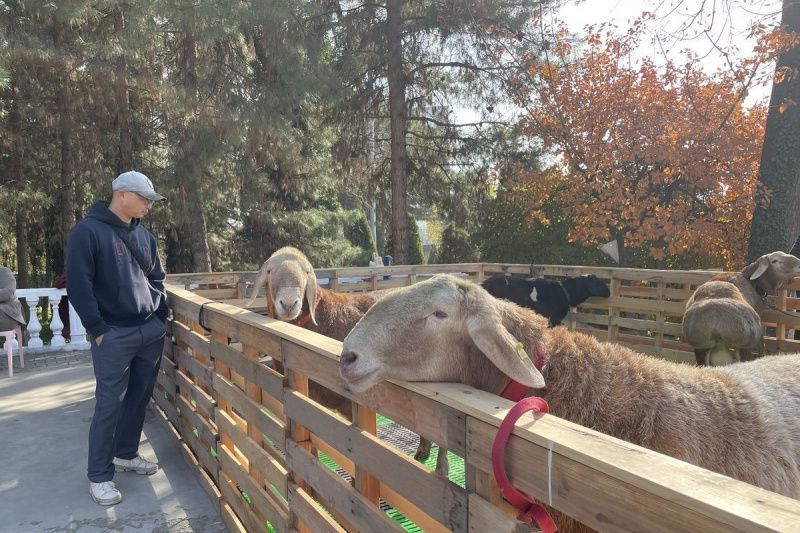
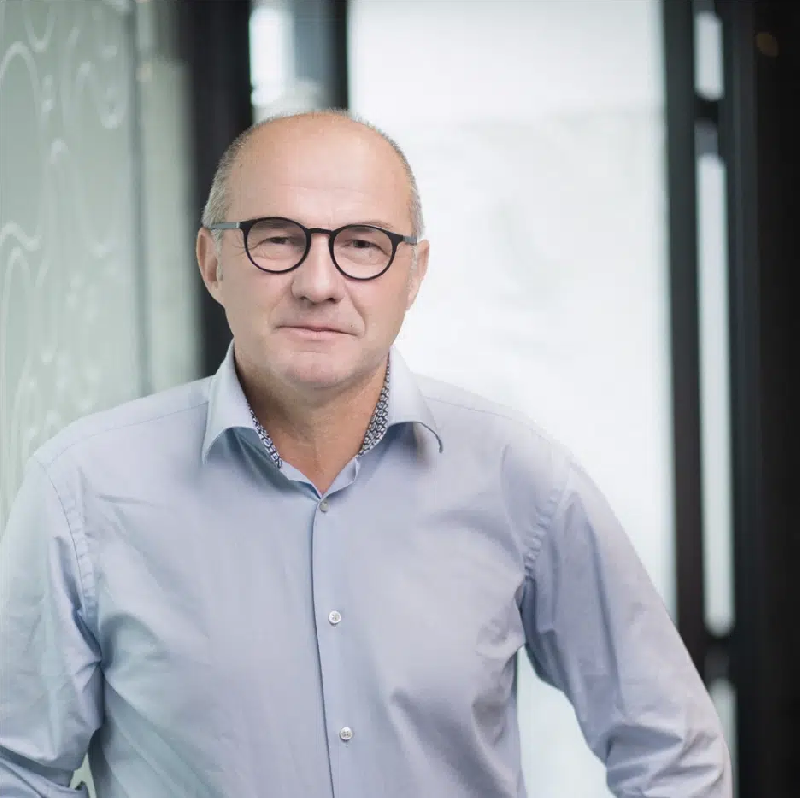
Stefan Kresse, Managing Director of IFWexpo Heidelberg GmbH, said that at least 4,000 people visited the exhibition on its opening day, compared with around 500 at its earliest editions. He said both exhibitor and visitor numbers were growing. He highlighted a particularly notable expansion in the range of products and services for livestock farms: exhibitors showcased ready-made feed mixes, feed supplements, veterinary products and breeding livestock import services. The exhibition also hosted a livestock auction. Buyers were offered dairy, beef and dual-purpose bulls, as well as sheep and rams. The auction area attracted the greatest interest among visitors. Meanwhile, cattle exports from Kazakhstan are currently prohibited.
Kresse identified dairy farming and chicken meat production as areas requiring further development in Uzbekistan. Both sectors are receiving substantial investment. An international poultry forum held alongside the exhibition brought together 800 participants from various countries. Its program covered ways to establish profitable and sustainable production, reduce risks and find additional revenue streams. Dutch specialist Van der Mark, in particular, presented methods for producing organic fertilizers from poultry manure and livestock farm waste. He viewed this processing as an opportunity to generate income from farm by-products.
In Kresse's view, European suppliers, including German companies, can serve as reliable partners for Central Asian agricultural producers under current geopolitical conditions. He noted that German companies already sell machinery and technology to customers in Kazakhstan and Uzbekistan and are interested in expanding cooperation. When choosing equipment, he said, farmers consider cost, quality and reliability, and plan their business development over a ten-year horizon. Kresse estimated annual German agricultural machinery deliveries to Kazakhstan at €250 million and those to Uzbekistan at €20 million. He estimated that the Uzbek figure could reach €70–80 million within the next five years. Germany had the largest national pavilion at the exhibition.
Alisher Khamraev, a representative of ZVE Livestock Genetics Export GmbH, said the company supplies Uzbekistan's dairy farms mainly with Holstein and Simmental cattle, as well as small batches of Brown Swiss cattle. Animals from Europe are currently transported exclusively by air. Khamraev explained that this means shorter waiting times for buyers and less stress for the cattle than lengthy overland transport, although air freight is more expensive. The average cost of an animal, including transport to Uzbekistan, is €4,000. Holsteins are purchased mainly in northern and central Germany, while Simmental and Brown Swiss cattle come from the south. Holsteins are a dairy breed, while the other two are dual-purpose breeds. German Holsteins on Uzbek farms produce 8,000–9,000 liters of milk in their first lactation. Khamraev also cited examples of animals with strong pedigrees producing 13,000–14,000 liters. Summer heat poses a risk of heat stress and reduced milk yields; most recipients of the cattle use modern housing with ventilation and cooling systems.
Agricultural drones were among the technologies on display. According to Dron Service representative Asliddin Shukrullaev, they can be used on plots of any size and for a range of crops. Their applications include sowing, and they can also be used in orchards and vineyards. Shukrullaev said the company had carried out drone operations across 160,000 hectares this year and intended to expand its coverage next season. One drone costs approximately $15,000 and requires just one specialist to operate and maintain it. The US company John Deere, the event's general sponsor, displayed two tractors—a small model and a medium-power model—as well as grain and cotton harvesters. Khurshid Baratov, the company's representative in Uzbekistan, said the brand's machinery had been available on the local market since 2005. He said buyers of premium machinery consider its productivity and reliability.
Kazakhstan's Orvia, based in Kostanay, presented a range of compound feeds for livestock, poultry and fish. Company representative Sansyzbai Ismagambetov cited the availability of grain and other agricultural raw materials as an advantage for Kazakh feed producers. He said Uzbekistan lacked a comparable raw material base, while the development of livestock farms, poultry enterprises and aquaculture was supporting demand for imported feeds. In the Uzbek market, Orvia sees particular interest in products for cattle and broiler production.
Ismagambetov said Orvia was already working with Uzbek farmers and shipping feed products to them by rail. He described the local market as large and said he expected it to grow further.