Agricultural trade between Kazakhstan and Germany grew by 23% in 2025
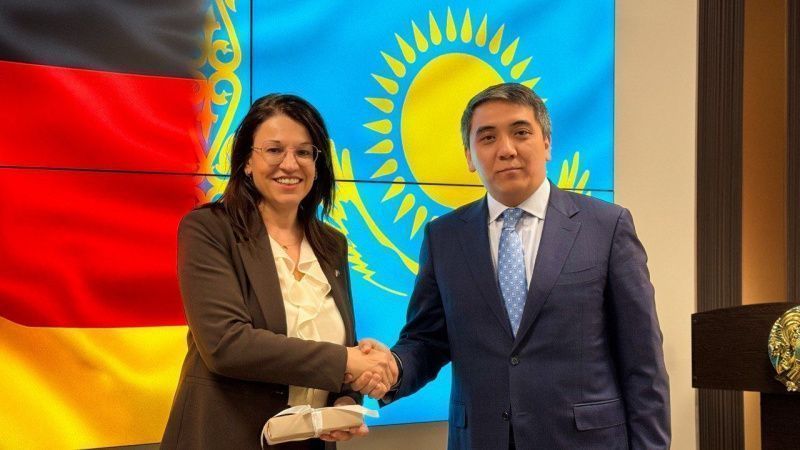
The meeting addressed joint agricultural initiatives and opportunities to expand economic ties. Kanafin highlighted Kazakhstan's interest in partnering with Germany, citing its expertise in agricultural technology, breeding and sustainable development of the sector. Englhardt-Kopf stressed the importance of sharing professional expertise and pursuing practical cooperation in priority areas.
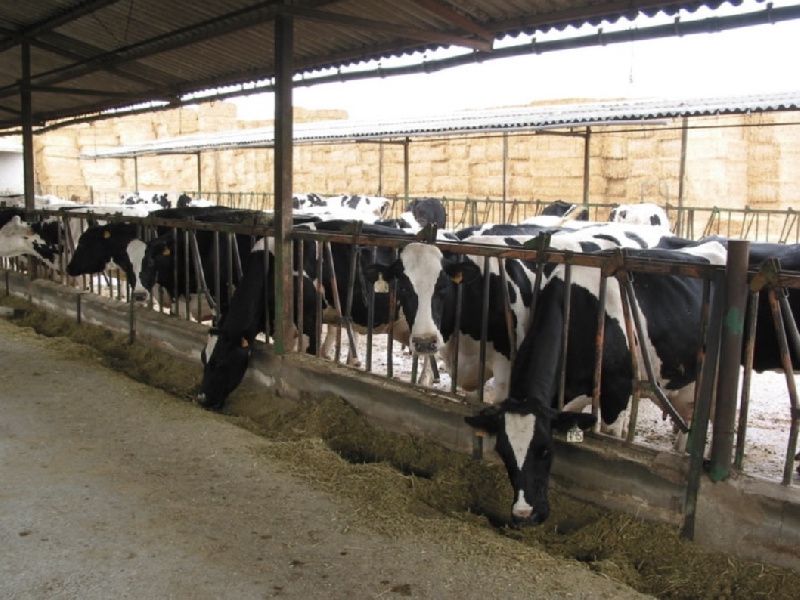
Dairy farming is one area of joint work. More than 400 specialists have received training and professional development through the KFM project. A centre providing advisory services and training has also been established for milk producers. In livestock breeding, plans call for importing 5,000 head of Holstein-Friesian cattle from Germany by the end of 2026, at a cost of approximately 6 billion tenge.
Another joint project is the Regional Centre for Sustainable Agriculture, which is still being established. Its work will focus on cooperation among Central Asian countries, sharing best practices and applying modern technologies adapted to regional conditions.
Industrial cooperation includes the production of CLAAS agricultural machinery in Kazakhstan. Since the project began, approximately 2,100 machines have been produced, with a total value of around 270 billion tenge. The article links the development of local production to strengthening Kazakhstan's machinery manufacturing industry and improving agricultural producers' access to modern equipment.
In seed production, Kazakh farmers and research organisations are working with the German company PETKUS. Under this cooperation, 15 seed-processing machines have been purchased at a cost of 2.9 billion tenge. The equipment is expected to improve processing operations and the quality of seed preparation.
In addition to dairy farming and livestock breeding, the parties identified seed production, breeding programmes and organic farming as promising areas for cooperation. The discussion covered both ongoing initiatives and opportunities for new joint projects in the agricultural and food sector.
At the conclusion of the talks, the participants agreed to work on implementing the agreements reached, expand exchanges of experience and expertise, and explore new projects. In their further joint work, the parties intend to pay particular attention to modern technologies, agricultural production efficiency and long-term partnership.