Adulteration Scandal in Tirupati Ghee Highlights Dairy Industry Vulnerabilities
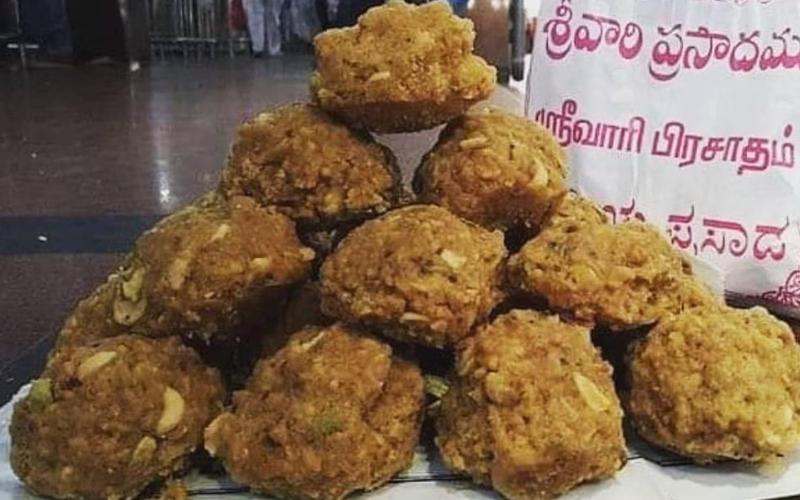
The Tirupati laddu ghee controversy has brought to light significant issues within India's dairy industry, particularly in bulk procurement and quality oversight. Andhra Pradesh Chief Minister N. Chandrababu Naidu has alleged that "bathroom cleaning chemicals" were used in the ghee for Tirupati laddus during the previous YSR Congress Party government's tenure. The allegations have sparked political tensions but also revealed deeper systemic vulnerabilities in dairy quality control.
According to a CBI chargesheet, the ghee supplied between 2019 and 2024 did not contain animal fats such as beef tallow or lard. However, it was found to be adulterated with vegetable oils and industrial chemicals, violating food safety norms. One of the chemicals identified, LABSA, is commonly used in cleaning products and poses health risks if ingested.
Investigators have highlighted the role of private dairy firms, including Bhole Baba Organic Dairy Milk Pvt Ltd, in this supply chain, underscoring the misuse of industrial inputs. The case has exposed gaps in procurement practices, particularly the dilution of tender norms and over-reliance on private intermediaries without adequate quality checks.
Historically, temple administrations sourced ghee from cooperative dairies with stronger oversight mechanisms. The shift to private suppliers has increased the risk of adulteration, raising concerns about the integrity of dairy supplies to religious institutions.
The scandal has broader implications for the dairy sector, weakening consumer trust and highlighting enforcement gaps under FSSAI regulations. Experts suggest that mandatory third-party testing for institutional buyers and cooperative-led procurement models could mitigate future risks.
Without tighter governance and institutionalized quality audits, similar breaches could occur across public and religious institutions, according to dairy sector experts.