ABCGIL President Highlights Gir Leiteiro’s Genetic Progress and Future
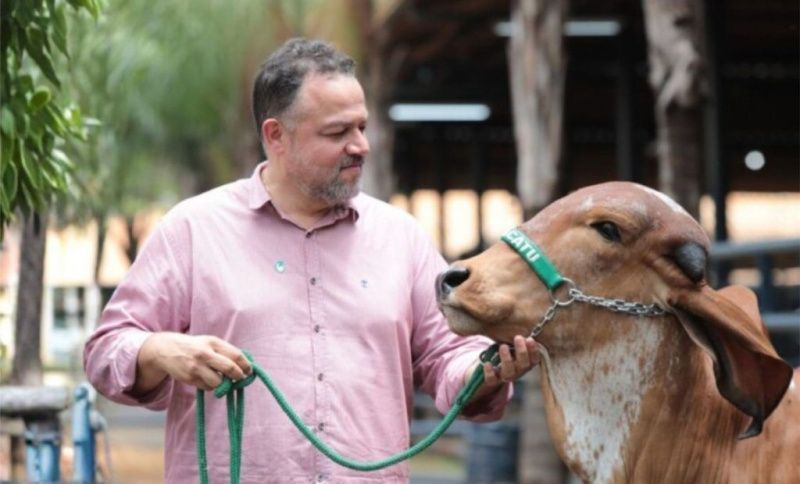
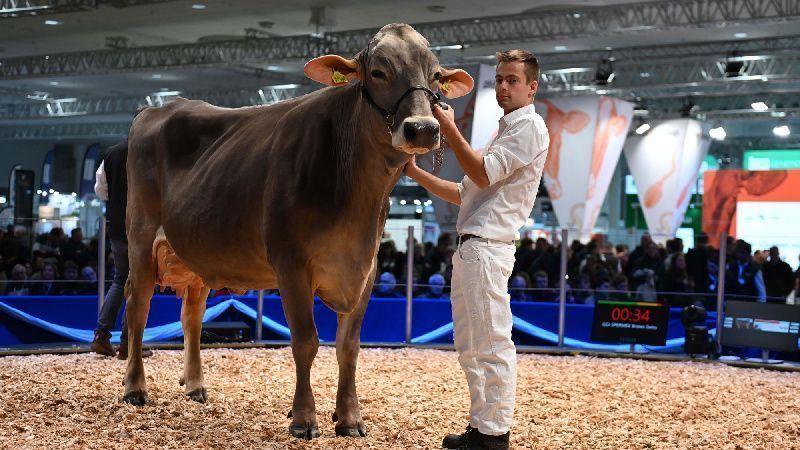
The 26th National Gir Leiteiro Exhibition, known as Expogil, brought together more than 500 animals at Parque Fernando Costa, with 71 participants in the dairy competition, according to Alexandre Borges, president of the Brazilian Association of Gir Leiteiro Cattle Breeders (ABCGIL). He described the event as the largest in its history. A young-female category set a record, with average daily production of about 64.4kg of milk.
The exhibition concluded the 2025–26 national ranking, which included more than 40 events across Brazil. Judges assess milk output alongside conformation traits including leg structure, dairy strength and body composition. Borges said animals recognised at exhibitions can contribute descendants to both pure Gir Leiteiro herds and Girolando operations. He also linked sound conformation to daily farm requirements, such as walking to pasture, feed and the milking area.
Borges said selection should consider productivity and physical structure together. In crosses with Holstein cattle, he said Gir Leiteiro now contributes more than natural zebu hardiness, including increased milk capacity and improved udder traits. “Today Gir Leiteiro enters not only with the natural hardiness of the zebu, but also enters this cross already with a lot of milk,” he said. He identified the half-blood cross as particularly important for combining attributes relevant to production in different environments and management systems.
He said improved genetics reach smaller producers through the gradual multiplication of daughters, granddaughters and later descendants of leading cows. In-vitro fertilisation has increased that rate of multiplication: a donor with suitable reproductive performance may produce 20 to 30 daughters a year, depending on the animal and the reproduction programme. Embryos are transferred to recipient cows, while the calf’s genetics come from the donor and the selected sire. Borges noted that a bull still supplies half of a descendant’s genetic composition and that female genetics remain less widely distributed than a popular bull’s semen.
For new breeders, Borges recommended first defining whether the objective is exhibition, dairy production, pure Gir breeding or Girolando production. Buyers can choose among embryos, pregnancies, lactating cows and other animals, depending partly on how quickly they need production. He advised seeking herds connected to the association and using official milk records and consistent evaluations. Reproductive technologies, he said, do not replace measuring output and monitoring herd performance.
ABCGIL’s National Gir Leiteiro Genetic Improvement Programme, developed with Embrapa, began in 1985 and reached its 41st year in 2026. It initially used progeny testing, which evaluates sires through the performance of their daughters. Genomic selection was introduced in 2014, and the first genomic summary was issued in 2018. Borges said the database now contains more than 70,000 genotyped animals and that roughly 90% of animals born annually within the programme are genotyped. He also cited genetic indicators for traits such as oocyte production, which can assist in selecting donors for assisted reproduction.
Borges said Brazilian Gir Leiteiro genetics are being sought in the Americas, Africa and India, where animals carrying that genetics are already being born. He attributed the breed’s relevance in tropical dairying to the combination of milk production, heat adaptation and hardiness. He said future gains in milk should be accompanied by resistance, bone structure, sound legs and mobility. “Gir Leiteiro has to evolve while maintaining and preserving these wonderful characteristics of the zebu, which are essential characteristics for the tropical world,” he said.