A Former Dairy Farm Became a Camel Nursery With 100 Births
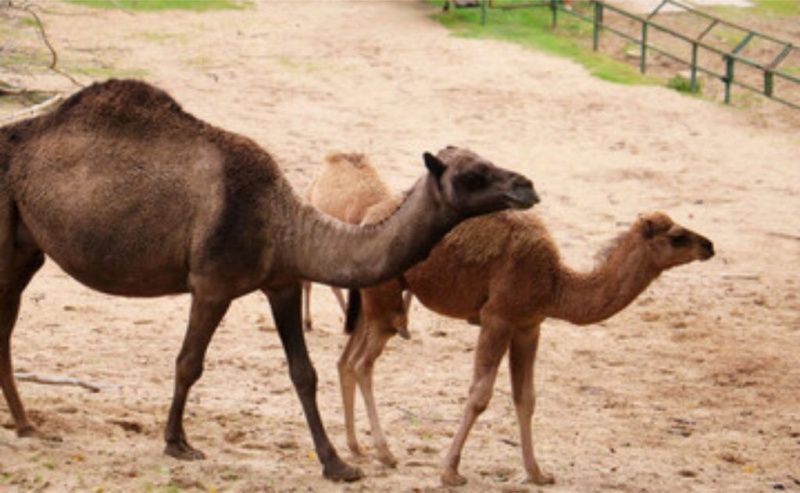
Megan Williams began converting the Kyabram property from dairy farming in 2015. The change was completed five years later, when the arrival of 100 camel calves marked the largest breeding season recorded at the farm.
The births began earlier than expected. Between 10 and 15 calves were already moving around the pasture while other females remained pregnant. The concentration of births also enabled the farm to milk more camels than at any previous point in its operation.
Breeding and milking
A camel’s pregnancy lasts between 12 and 14 months, longer than a cow’s. Births are generally uncomplicated and do not usually require assistance. At Williams’s farm, staff had to intervene only once during the operation, although handlers must be ready to help when difficulties occur.
The milking process uses equipment familiar from dairy farming. Camels have four teats and are milked with cups and suction lines similar to those used for cows. The main difference is the time needed to prepare an animal for milking: the camel must be calm and trust the person handling it before it will release milk.
Covid-19 restrictions affected the tourism business that the property had received. They also allowed the farm to concentrate more fully on its camel herd. Much of the milk is turned into powder, which is used in a range of skincare products.
The farm has also experimented with camel-milk feta and chocolate. The trials were linked to Williams’s personal interest in sweets. The property’s recorded births and milking activity took place alongside these product experiments.