A Dairy Farm Raised Per-Cow Output to 16.5 Litres

Meneses began managing the farm as an enterprise, applying methods from his economics studies to daily production. The operation records individual milk yields, reproductive performance, animal numbers, costs and profitability. The property covers 20 hectares, most of which originally carried sabana grass. Eight hectares have been converted to star grass and three more were recently planted; nine hectares remain to be replaced.
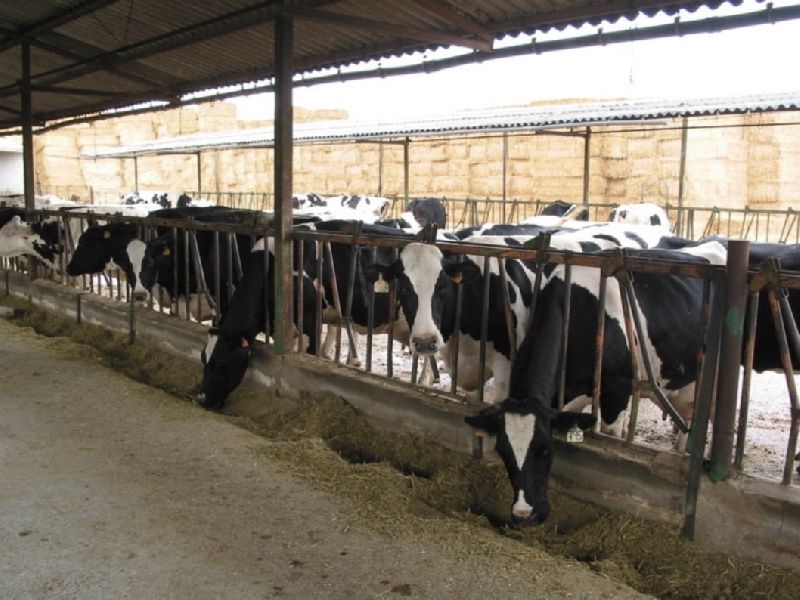
Average output has risen from 8–10 litres per cow per day to 16.5 litres. The herd’s average days in milk is 112.6. Meneses says that 80% of the observed production improvement is linked to feeding. “Genetics, supplementation and management are important, but feeding remains the foundation of the production system,” he says.
The farm divides its land into paddocks of about half a hectare. Cows stay in each paddock for roughly a day and a half before moving through the rotation. The system has increased stocking capacity and the use of available forage. More than 1,500 trees are also integrated into the property, alongside pasture management and planned rotations, to provide environmental and animal-welfare conditions in a tropical dairy system.
The herd includes animals produced by crossing Gyr and Holstein genetics, combining adaptation to tropical conditions with milk-producing ability. The farm is also introducing Jersey genetics to develop A2A2 animals. Meneses intends to use that characteristic in a future milk-processing and differentiation project, making genetics part of plans for higher-value dairy products.
Reproduction is measured through pregnancy rates and veterinary procedures. Seventy percent of the cows become pregnant before 120 days in milk, according to data presented by the producer. In the latest insemination programme, six of seven cows became pregnant. The programme includes ultrasound examinations, palpation and artificial insemination with veterinary support.
La Bañadera currently has 22 cows in production, 11 pregnant cows and eight animals that have been served. Meneses says the farm covers its operating costs but needs a larger herd to establish the profitability level he is seeking. His target is 40–60 milking cows, while retaining the performance indicators already achieved. Training has included courses from SENA, activities by Fedegán, meetings organised by the Hoya del Río Suárez Cattlemen’s Committee, professional advice, podcasts and digital platforms. Over the next five years, the project is intended to consolidate the current system and process milk into higher-value products.