
A 300kg Milk Ritual Highlights Haryana’s Festive Dairy Demand
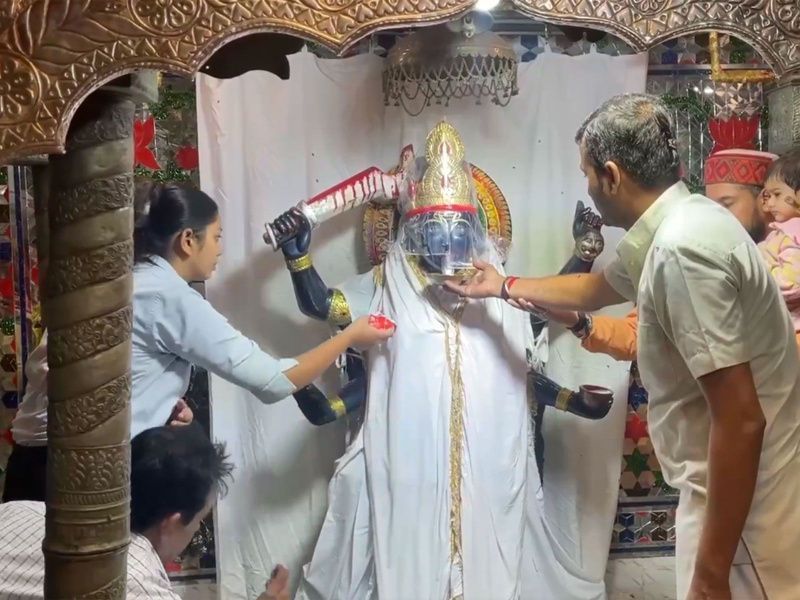
On the third day of Shardiya Navratri, the Dukhbhanjani Temple in Ambala City conducted an abhishek in which Goddess Kaali’s idol was bathed with approximately 300kg of raw milk. Hundreds of devotees attended the centuries-old ceremony, which was associated with prayers for prosperity and agricultural abundance. The day is dedicated to Maa Chandraghanta.
Temple head priest Pankaj Vashisht said the milk was used in the temple’s food service rather than discarded. Some was distributed to worshippers as charanamrit. The remaining milk solids went into kheer, a sweet rice pudding served as prasad, while some milk was cultured into curd for the community kitchen. The langar serves kadhi-chawal to pilgrims.
The ceremony took place at the start of India’s main autumn festive period, which includes Dussehra, Karwa Chauth and Diwali. During this period, households, religious trusts and catering businesses in Haryana, Punjab and Uttar Pradesh increase their purchases of liquid milk and dairy ingredients. Navratri fasting also shifts meals towards milk, fresh curd, paneer and ghee, adding to demand in urban and peri-urban markets.
The change in consumption patterns affects procurement and processing operations in Haryana’s milk shed. The Haryana Dairy Development Cooperative Federation, which sells products under the Vita brand, operates alongside national processors including Amul and Mother Dairy. These companies and cooperative networks must adjust milk intake, packaged-product supply and manufacturing reserves as demand rises. Sweetmakers, known locally as halwais, also require large quantities of khoya and chhena, drawing raw milk away from drying and bulk-storage operations.
Processors must move milk from rural collection points to urban distribution centres through chilling facilities and tanker networks. The seasonal increase places greater emphasis on cold-chain capacity and tanker turnaround times. These arrangements are used to limit thermal deterioration while maintaining supplies for retail and institutional customers.
Authorities also increase food-safety checks during the festival period. The Haryana Food and Drug Administration and municipal health departments in Ambala and neighbouring districts use market surveillance and mobile testing vans to examine milk consignments. The checks can cover starch, detergents and synthetic fats. The source said supply shortages may create opportunities for vendors and intermediaries to sell synthetic milk or mixtures containing reconstituted skimmed milk powder, vegetable oils and chemical extenders.
At farm level, processors and local vendors compete for available raw milk as festive demand rises. The source said this can strengthen farmgate prices for buffalo and cow milk and increase returns linked to fat and solids-not-fat content. For smallholder households in Haryana and the wider National Capital Region, the additional seasonal cash flow is used alongside livestock-feed and fodder expenses. The 2026 festive season therefore brings together religious consumption, dairy procurement, processing capacity and food-safety supervision across the region.










