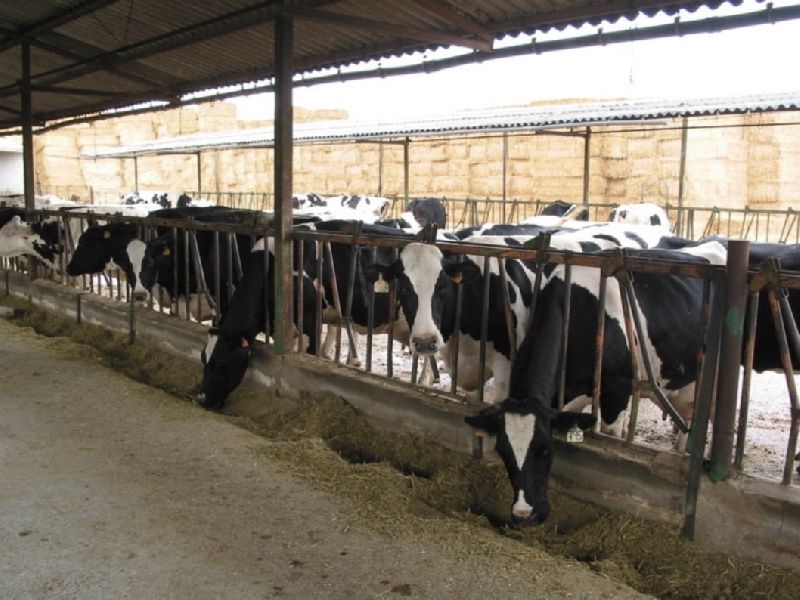
A2A2 Cows Do Not Guarantee Higher-Quality Milk
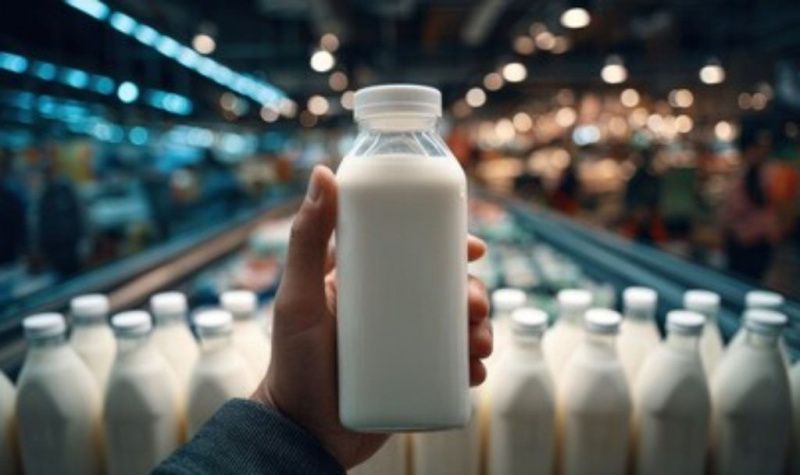
The A2A2 label refers to a variation in beta-casein, a protein in milk. According to Guilherme Marquez, a specialist in dairy farming, genotyping may indicate a protein considered easier to digest, but it describes the animal rather than certifying the quality of the milk delivered to the bulk tank.
Marquez addressed the issue on the Giro do Boi Responde programme in response to a question from Paulo Henrique, a farmer at Fazenda Boa Sorte in Guarapuava, in Paraná. Henrique asked whether A2A2 milk produced in Brazil differs in sanitary or nutritional quality from milk produced on farms in the United States and Europe.
The specialist said quality should be assessed through production and laboratory measures. These include somatic cell count, total bacterial count, and the proportions of fat and total protein. Those indicators, rather than the cows’ genotype alone, determine whether the milk meets the relevant quality requirements.
Brazilian dairy farms have the capacity to supply milk at the same level as, or above, European and American production, Marquez said. He linked that capacity to compliance with the instructions and standards issued by Brazil’s Ministry of Agriculture and Livestock, known as Mapa.
Management of bacterial and somatic-cell counts begins during milking. The recommended measures include thorough cleaning of the teats, regular disinfection of the milking system, and periodic replacement of rubber parts and liners. Balanced feeding and prompt, appropriate cooling in the expansion tank are also part of the process described by Marquez.
Marquez also identified conditions available to Brazilian producers, including a favourable climate, land and access to inputs. These allow pasture-based farms to produce milk with a high solids content, which he described as a competitive distinction from the confined systems used in the Northern Hemisphere.
His recommended production model combines selection for the A2A2 protein variant with strict milking hygiene and compliance with sanitary rules. Marquez said that this combination can provide milk meeting international standards and allow rapid processing by dairies, while improving returns at the farm.