Global Dairy Prices Decline Amid Geopolitical and Market Pressures
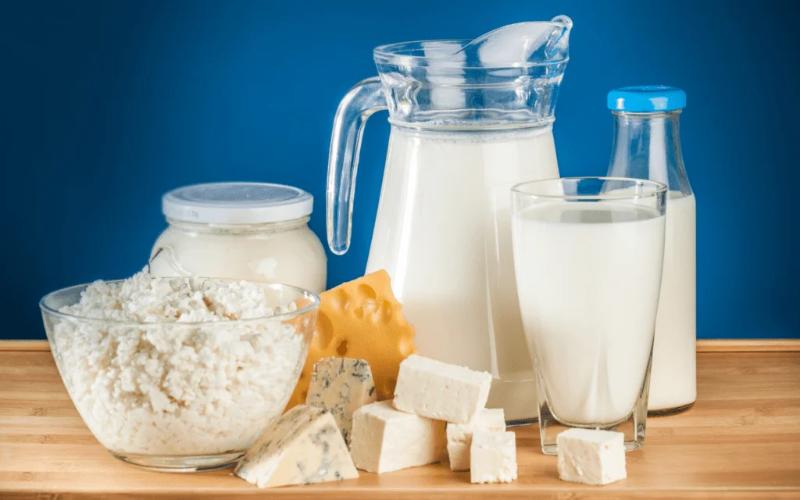
The recent Global Dairy Trade auction, held fortnightly, reported a 2.7% drop in average prices, bringing them to US$4143 per tonne. This marks the second decline this year, following a 3.4% decrease at the previous auction. The auction saw whole milk powder prices fall by 0.6% to US$3666 per tonne, while skim milk powder prices increased by 3.2% to US$3448 per tonne.
Butter experienced a notable price drop of 7.9%, settling at US$5702 per tonne, and mozzarella also decreased by 3.1% to US$3850 per tonne. In contrast, cheddar and lactose showed increases, with cheddar up by 1.1% to US$4798 per tonne and lactose rising by 7.2% to US$1573 per tonne. The auction did not feature buttermilk powder.
A total of 14,993 metric tonnes of product was sold to 99 successful bidders. According to Cristina Alvarado, NZX head of dairy insights, milk powders displayed relative resilience, but this was countered by a sharper-than-expected fall in milk fats.
Alvarado noted that the declines were more significant than anticipated due to global supply availability and competitive pricing, particularly from the US CME butter market, which continues to undercut international prices. European pricing has remained relatively stable, supported by strong milk flows and cream availability, reinforcing downward pressure on fat values.
Additionally, the weakened demand for anhydrous milk fat, which fell by 9.6% to US$6357 per tonne, underscores a lack of urgency among buyers at current price levels. The report highlighted that despite the seasonal decline in New Zealand milk production, global supply remains ample.
The auction showed a shift in buyer demographics, with North Asia re-emerging as a dominant buyer. Geopolitical tensions, particularly related to the conflict involving Iran, are contributing to elevated freight, insurance, and input costs, which in turn influence buyer behavior.
Overall, the auction reflects a market navigating through adequate supply, cautious demand, and external geopolitical pressures, with milk fats experiencing the most significant downside risks due to these factors.