Climate Change Pressures Italy's Parmigiano Reggiano Industry
The Parmigiano Reggiano industry in northern Italy is experiencing significant challenges due to climate change. The region's traditional cheese-making practices are being affected by extreme summer heatwaves and rising utility costs, which are impacting the production legacy of this iconic cheese.
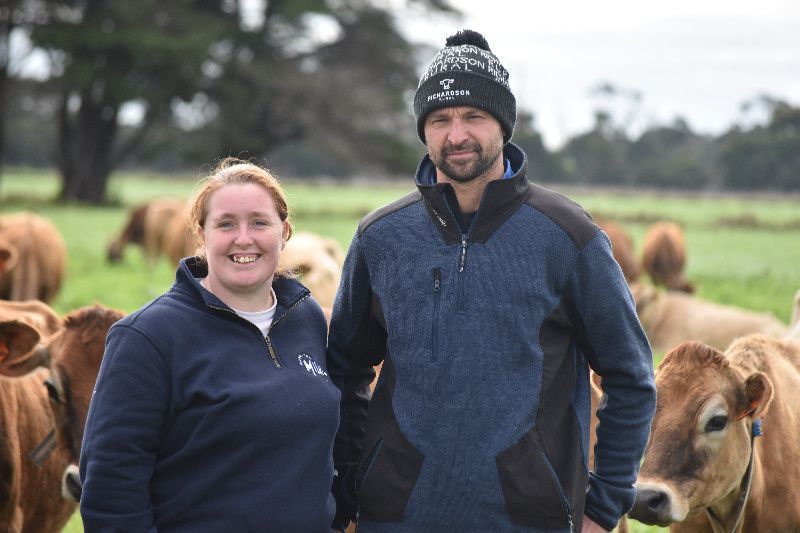
In the Emilia-Romagna region, producers are adapting to climate pressures that were previously unimaginable. Dairy farmers, who once only needed to open barn windows at night, now employ round-the-clock ventilation to protect cattle from the heat. Nicola Bertinelli, president of the Parmigiano Reggiano Consortium, highlights that these record-breaking temperatures threaten both the quality and volume of regional milk supplies.
Persistent heat exceeding 40 degrees Celsius (104 degrees Fahrenheit) is disrupting cow behavior and reducing milk yields by up to 10 percent. The strict production laws require cows to feed on locally grown grass and hay, which are now at risk due to regional droughts, further threatening the supply chain.
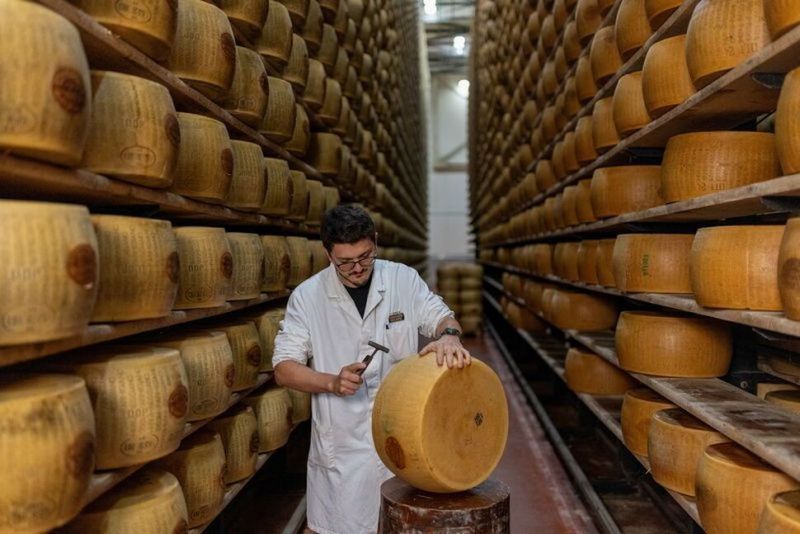
The Parmigiano Reggiano maturation process also faces difficulties. Facilities such as Magazzini Generali delle Tagliate (MGT) are seeing a 30 percent increase in energy consumption during peak heatwaves. To maintain cheese quality, these facilities are upgrading insulation and expanding renewable energy sources.
Corporate dairy executives express concern over the long-term financial impacts of these climate challenges. Paolo Ganzerli from GranTerre notes that the industry, which generates €4.5 billion annually and employs thousands, faces increased manufacturing costs and potential supply instability.
Despite these challenges, the Parmigiano Reggiano sector remains a key player in the global market, with over 50 percent of sales in 2025 occurring internationally, particularly in the United States. Industry leaders stress the importance of adapting to ensure the preservation of this 800-year-old culinary tradition.