Caquetá’s livestock model expands and inspires eight Colombian departments
The Caquetá model includes cooperation agreements with producers in Cauca and joint work in Valle del Cauca. Those initiatives are focused on differentiating and positioning regional dairy products, according to the report.
Cheese production at the farm
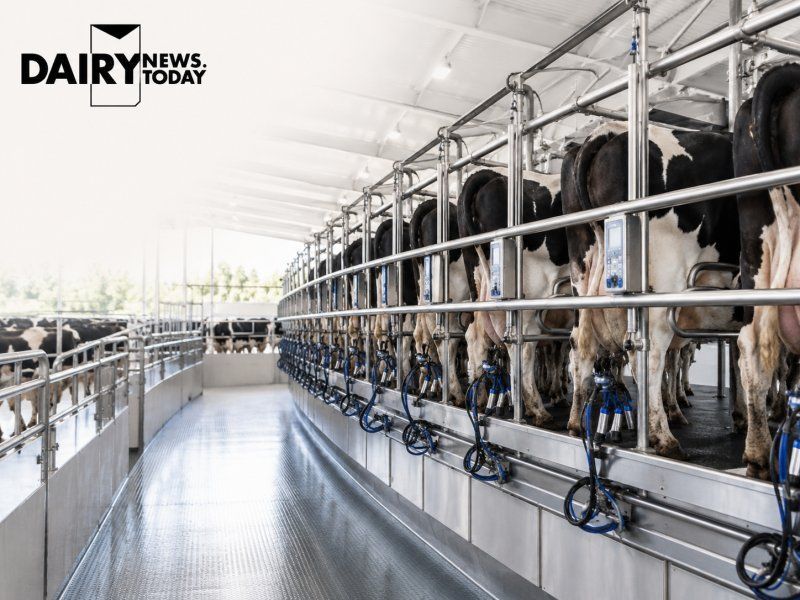
Processing milk close to where it is produced is one of the model’s main components. Caquetá produces roughly two million litres of milk a day, while logistical and infrastructure constraints affect the movement of raw milk. The Quesería Rural Caquetá scheme responds by making cheese directly on farms.
The scheme is intended to add value before the milk enters the wider commercial chain. It forms part of the Pacto Caquetá, which brings production and territorial management into the same framework. Rafael Torrijos Rivera, manager of the Caquetá Departmental Cattlemen’s Committee, said that “the key lies in producers and processors sharing the same vision of the business.”
Production and conservation
The pact also includes measures for sustainable land management. These include dividing farms into zones, protecting water sources, separating grazing areas, planting adapted forage and tree species, and monitoring environmental conditions.
Cattle farming occupies about two million hectares in the department. Within that area, the stated objective is to conserve and restore close to 800,000 hectares of forest. The model therefore records more than production figures: it also includes biodiversity, carbon capture, animal welfare and the condition of natural resources.
Interest beyond the department
The experience has drawn attention outside Colombia. Livestock representatives from Mexico identified it as a model with potential for replication in other Latin American countries. The initiative presents productivity, dairy value-added processing and environmental conservation within one livestock system, according to the report.