Wisconsin Dairy Farmers Expand Beef-on-Dairy Sales
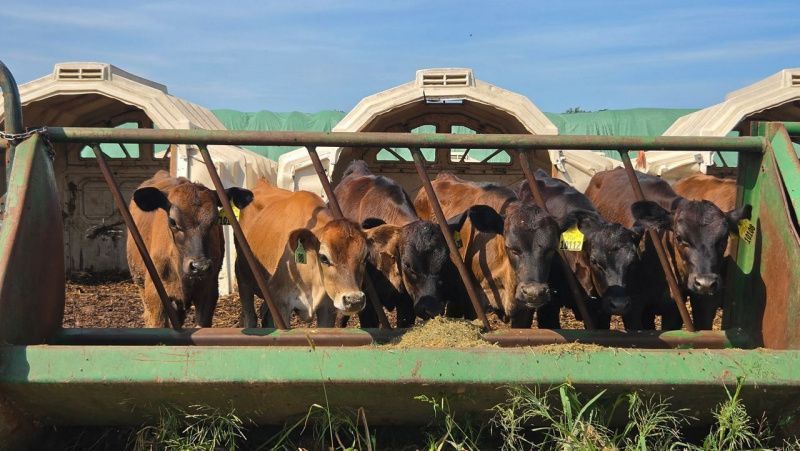
Dairy producers in Wisconsin are breeding part of their herds with beef genetics and selling the resulting animals through direct channels. The practice is being used alongside conventional milk production as farms respond to changing retail preferences and movement in milk prices.
Producers can finish the crossbred cattle themselves or sell them through farm shops, regional meat lockers and community-supported agriculture programmes. These routes give farms access to more of the retail value than the sale of newborn bull calves at standard auction prices, according to the source.
Reproductive technology supports the system. Sexed dairy semen is used on genetically superior cows to produce replacement heifers, allowing other milking cows to be bred with beef sires. The beef breeds cited include Angus, Simmental and Wagyu. Their offspring are described as fast-growing animals with feed-efficiency and carcass traits suited to beef production.
Direct sales also give farmers an opportunity to explain how their operations work to urban and suburban customers. Producers use these conversations to discuss animal-care standards, forage production and daily farm routines, as well as the origin of the meat and the way livestock are managed.
Wisconsin agricultural extension specialists say that selling meat directly requires additional work involving slaughter and processing arrangements, refrigerated storage and retail labelling. They also describe diversified beef revenue as a financial buffer for farms facing high input costs across the Midwest. The model is being used by family-owned dairies seeking to support their businesses across generations while responding to wider commodity-market changes.