Victoria Continues to Supply 63% of Australian Milk
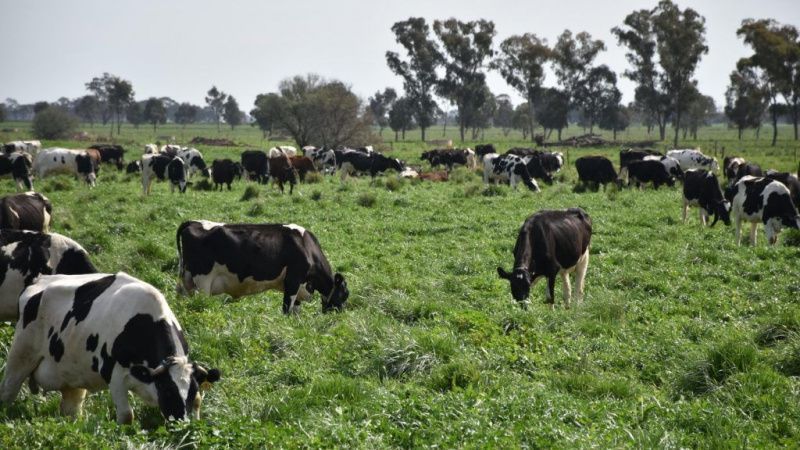
Victoria’s dairy industry supplied 63% of Australia’s national milk pool, according to two decades of farm benchmarking data cited by Dairy News Australia. The number of active commercial dairy businesses fell from about 5,346 in the 2006-07 season to fewer than 2,400, while annual state production remained close to 5.3 billion litres, compared with 6.4 billion litres around 20 years earlier.
The remaining businesses increased their scale. The average commercial milking herd grew by roughly 40%, from about 345 cows to almost 485 cows per enterprise. The statewide average now exceeds 300 cows. Average farm area also increased, from 271 hectares to more than 350 hectares, allowing machinery, rotary milking systems and administrative costs to be spread across larger milk volumes.
Milk production per cow rose from an earlier range of 4,500-5,000 litres a year to more than 6,100 litres. The data attributes the change to developments including genetic selection, herd-health programmes, feed formulation and automated pasture management. Individual farms doubled their milk-solids production over the period described in the report.
Victoria’s main dairy regions—Gippsland, the Western District and the Northern irrigation belt—have faced different operating conditions. State production costs increased over the period as labour, fertiliser, electricity and machinery-contracting expenses rose. Purchased feed remained the largest and most variable cost. Farmers also used home-produced silage, winter cereals and lucerne hay alongside grazed pasture to manage feed supply through changing weather conditions and water availability.
Profitability varied substantially between seasons. Earnings before interest and tax ranged from losses during drought-affected periods to more than $3 per kilogram of milk solids during stronger commodity cycles. The average return on total assets over the 20-year period was 4.4%; returns exceeded 6% in favourable years and approached zero in difficult seasons.
Expansion and land purchases increased the need for debt management among Victorian dairy businesses. Operators used hedging arrangements, retained earnings, liquidity reserves and changes to repayment schedules to manage borrowing and periods of weaker milk prices. During higher-margin years, some family-owned and institutional operations directed surplus cash towards debt reduction and working capital rather than further expansion. The report also identified supplier relations, farmgate pricing arrangements and pasture management as matters affecting the sector’s commercial operations in 2027.