UW-Madison Develops Digital Twins for Dairy-Farm Decisions
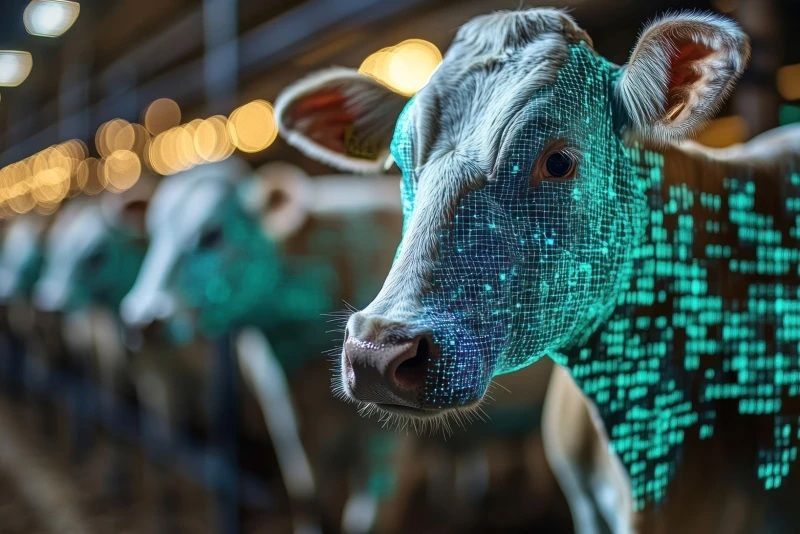
RuFaS, short for Ruminant Farm Systems, models interactions among animal biology, feed storage, manure management and soil-crop processes. Researchers at the University of Wisconsin-Madison are assessing the platform as a way to test herd-management measures in a virtual setting before applying them in a barn.
The project is led by Victor Cabrera, a professor at UW-Madison. Its longer-term aim is to produce “digital twins”: virtual versions of dairy farms that can be updated with live information from physical operations. The model is designed to represent differences among individual animals rather than relying only on an “average cow”.
RuFaS can be used to examine scenarios including reproductive synchronisation, estrus-detection procedures and measures to reduce heat stress. Its environmental inputs include solar radiation, humidity and air temperature. Simulations can show how investments in heat abatement are associated with changes in dry-matter intake, milk composition and reproductive performance over time.
The whole-farm approach also allows users to examine effects that extend beyond the initial intervention. A change in one part of a dairy operation can be assessed alongside its effects on other operational areas, giving veterinarians and farm managers information for evaluating management protocols and capital decisions.
A detailed RuFaS simulation can use about 1,200 separate input parameters and produce more than 12,000 outputs. Moving the technology from research use to commercial decision-support applications requires field validation, data integration and common standards for information from automated milking systems, activity monitors and precision-feeding equipment.
The developers have retained a deterministic, equation-based simulation structure instead of using machine-learning systems whose internal processes may be difficult to inspect. The model is intended to support, rather than replace, on-site clinical observation, while quantifying operational risks and longer-term financial effects. The source article identified Dairy Herd Management and Bovine Veterinarian as sources.