USDA launches $8bn Harvest Fuel Relief programme
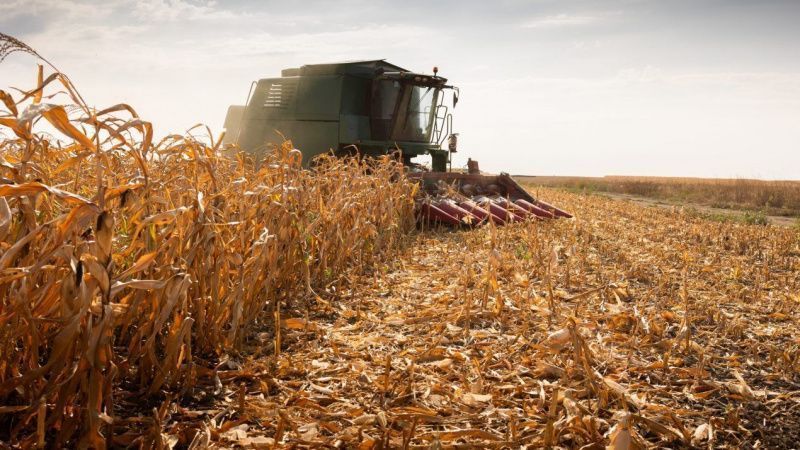
The Harvest Fuel Relief (HFR) programme is authorised under the Commodity Credit Corporation Charter Act and administered by the Farm Service Agency. Its payments will use a standardised loss model based on FSA-certified planted acreage, Economic Research Service production-cost data and supply-and-demand yield estimates.
Payment rates for Title I field crops, including corn, soybeans and wheat, are due to be published in November. Producers across Wisconsin and the Upper Midwest are assessing the programme as they manage higher input costs and operating cash-flow pressures during the 2026 harvest.
Wisconsin grain and forage farmers have reported diesel prices that were nearly $3 per gallon higher year on year during the busiest fieldwork period. The one-time payments are intended to provide liquidity for operating loans and autumn supplier bills. Farm leaders have also said that the distribution of funds and the efficiency of the application process will be important because the payments do not cover wider costs in freight and agricultural supply chains.
The American Dairy Coalition said that dairy farms growing feed crops on their own land could receive Title I payments for eligible corn silage and grain acreage. It said those calculations cover only part of dairy operations’ fuel use. Dairy farms run feeding, refrigeration, manure-handling and forage activities throughout the year, including during winter, rather than concentrating most fuel consumption in seasonal planting and harvesting periods.
Fuel surcharges and hauling deductions have also reduced payments shown on producers’ monthly milk statements. The coalition has conducted a Dairy Fuel Survey as part of its Dairy Farm Pulse economic initiative, collecting information from January, July and October milk stubs for presentation to federal policymakers. Raw milk is collected daily or every other day because it is perishable, while cooperatives and contract haulers have passed higher transport costs to farmers through increased hauling assessments and fuel deductions.
As the USDA sets criteria for agricultural commodities outside Title I, dairy representatives are asking it to include continuous fuel use, non-grain forage acreage and compulsory milk-hauling deductions in future relief formulas. The coalition said such measures would address the operating costs of family-owned dairies carrying higher working-capital debt and support the maintenance of regional milk supplies.