The ultraprocessed-food debate reaches milk processing
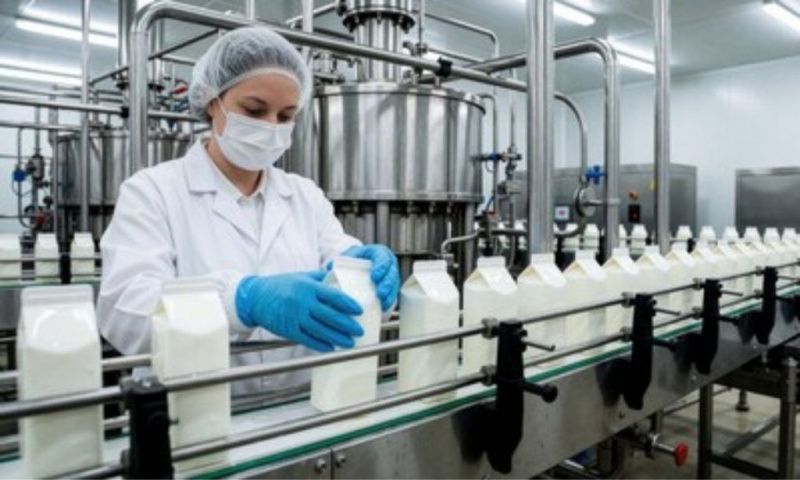
The debate over ultraprocessed foods intensified in the United States amid concern about chronic diseases and children’s health. Dairy producers and processors have used the discussion to distinguish the purpose of processing from the nutritional profile of the finished product.
Pasteurisation removes harmful bacteria from milk without compromising its nutrients, according to the sector’s argument. Fermentation converts milk into products such as yoghurt, kefir and many cheeses, changing their taste and texture and producing characteristics associated with digestion and gut health. Processing also enables manufacturers to reduce added sugar and sodium, fortify products, and make versions with more protein or less lactose.
The main disagreement concerns how foods are classified. Systems that rank products mainly by the extent or type of processing may not fully reflect their nutrient density, composition or role in a diet. Yoghurt, wholegrain cereals, tinned beans and frozen vegetables are cited as examples in which processing alone does not determine nutritional quality. The relevant considerations also include the person eating the food and how it fits into the wider diet.
California examines food standards
California has introduced several measures concerning additives and ultraprocessed foods. A 2023 law restricted a number of additives, while legislation passed in 2024 prohibited certain synthetic colourings in food served in schools. In January 2025, Governor Gavin Newsom instructed state agencies to examine ultraprocessed foods and potentially harmful ingredients.
Later in 2025, the Real Food, Healthy Kids Act directed the California Department of Public Health to identify and prohibit harmful ultraprocessed foods in school meals. In September 2026, Newsom signed AB 2244, establishing a voluntary “Non-Ultra-Processed Certified” programme. The state is to accredit certification bodies and develop a standardised label. The Department of Public Health is also accepting public comments on the categories that could be restricted in school meals. Suppliers to schools must monitor product formulations, procurement standards and continued access to nutritious foods.
Federal definition remains under discussion
At federal level, the Food and Drug Administration and the Department of Agriculture issued a request for information in July 2025 as they sought a common definition of ultraprocessed food. The Dietary Guidelines for Americans 2025–2030, released in January 2026, advise limiting highly processed foods while continuing to include dairy as part of a healthy dietary pattern. The guidelines inform programmes including the Special Supplemental Nutrition Program for Women, Infants, and Children and school meals.
The dairy sector presents its position through the concept of “food as health”, which evaluates the overall dietary pattern rather than isolated products. It says foods are more likely to fit established eating habits when they are palatable, affordable, culturally familiar and convenient. Examples given include pairing cheese with vegetables and whole grains, serving yoghurt with fruit, and offering products with no or reduced lactose.
The nutritional role of dairy is also emphasised for children. From pregnancy through the first two years of life, dairy products provide protein, calcium, vitamin D, iodine, choline, zinc, and vitamins A and B12. From six months of age, cheese and yoghurt can be introduced as nutrient-dense foods. Across the life course, dairy consumption contributes to bones, muscle mass, cognitive function and gut health; these effects are attributed to the dairy matrix, in which nutrients operate together. The sector is seeking to explain how processing affects safety, shelf life, nutritional value and food waste in discussions with schools, nutritionists, community organisations and policymakers.