Santo Cristo selects 50 producers to expand milk production
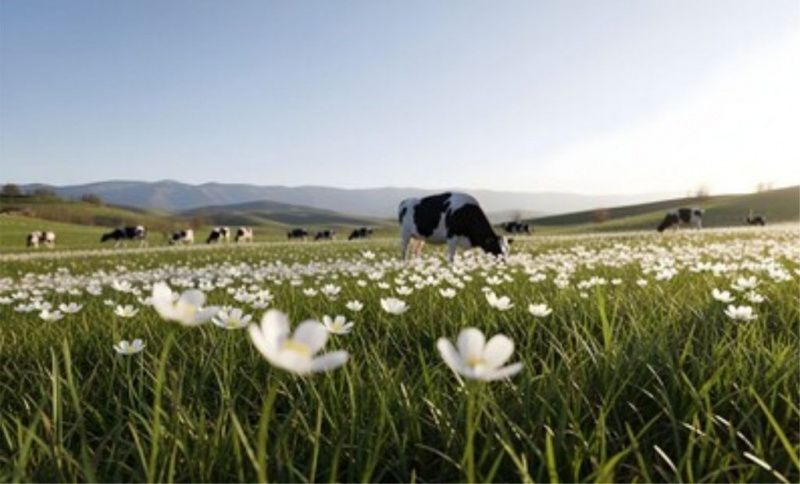
Santo Cristo has selected 50 producers for a municipal programme intended to reinforce milk production by expanding pasture areas. The initiative is aimed at farmers who already use this production model or plan to keep farming within their families over future generations.
Municipal support does not remove responsibilities from the participating producers. Each selected farmer must establish the pasture in accordance with technical guidance provided through the programme and must cover the relevant preparation and management stages when required.
These activities may include soil analysis, soil correction based on the analysis, preparation of the area and sowing. Producers may also be responsible for weed control, top-dressing fertilisation and the installation of fences.
The municipal administration describes the arrangement as a partnership between the public authorities and farmers. Under the model, the producer’s contribution is intended to establish shared responsibility for the project, reinforce the commitment of participants and support the use of public funds allocated to the programme.
The municipality says that the expansion of pasture areas is expected to increase the availability of forage and strengthen the milk-production chain. It also links the programme with the incomes of rural families and with economic development in Santo Cristo.
Interested applicants must contact the Municipal Secretariat for Rural Development and Agribusiness, which operates alongside the Central do Agro. They must present an identity card, an individual taxpayer number, a National Registry of Family Farming document, a municipal certificate showing no outstanding debts, and the property registration or other proof of ownership.
Registration will be validated only when all the required documents have been submitted within the period set by the accreditation notice, from August 10 to August 31, 2026. The municipality presents the arrangement as combining public support with the producer’s obligations, while also citing the strengthening of family farming and more sustainable economic development in the rural area of Santo Cristo.