SADC expands animal-health programme for dairy trade
Regional livestock sector
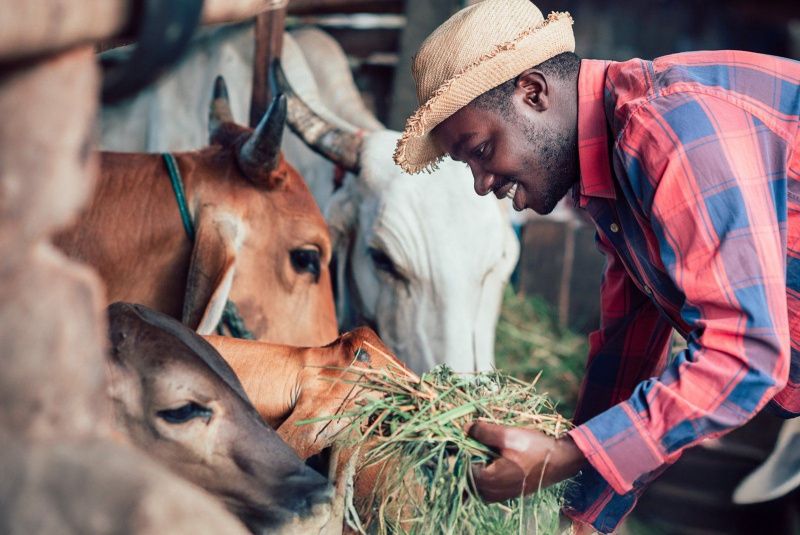
Livestock contributes as much as 40% of agricultural GDP across the SADC region. About 100m people, or 42% of the regional population, rely on animals for income, food and economic resilience. The programme links stronger veterinary services with the protection of rural livelihoods, milk production and the availability of safe dairy products.
FAOSTAT data from 2016 recorded nearly 75m cattle, 37m sheep, 56m goats, 15m pigs and more than 400m poultry in the region. The sector also faces outbreaks of animal disease, limited veterinary infrastructure, weaknesses in surveillance and uneven compliance with regulatory requirements.
Disease controls and trade
For dairy producers, animal-health problems can affect herd condition, milk yields, reproduction and farm profitability. Foot-and-Mouth Disease can interrupt cattle movements, restrict trade and increase producers’ costs. Contagious Bovine Pleuropneumonia and other diseases that cross national borders require coordinated prevention and control measures.
Laboratory limitations, inadequate veterinary coverage and inconsistent certification can make it more difficult to move livestock and animal products between countries. STOSAR II is addressing disease detection, veterinary inspections and compliance with international sanitary and phytosanitary standards as part of its market-access work.
Programme measures
The first STOSAR phase was financed by the European Union through the 11th European Development Fund. It produced regional strategies for Foot-and-Mouth Disease, Peste des Petits Ruminants and Highly Pathogenic Avian Influenza, and supported national action plans. It also helped improve surveillance, provided laboratory equipment and diagnostic materials, and supported accreditation assessments and quality-management training.
STOSAR I additionally promoted risk-based disease control, epidemiological mapping and Commodity-Based Trade. Under STOSAR II, programme activities include linking Livestock Information Management Systems, revising disease-risk maps, carrying out national control strategies and expanding surveillance across borders. Support is also planned for national Foot-and-Mouth Disease Progressive Control Pathway roadmaps and work connected with Peste des Petits Ruminants certification.
Veterinary capacity and partnerships
Further measures include training laboratory staff, accreditation work, proficiency testing and the supply of equipment, reagents and other consumables. The programme plans to pilot electronic veterinary certificates at busy border crossings. STOSAR II is being carried out with the SADC Secretariat, governments of member states and regional and international partners. CIRAD, the Centre de coopération internationale en recherche agronomique pour le développement, is supporting the development of regional laboratory capacity.
The programme also covers cooperation on sanitary and phytosanitary rules, Commodity-Based Trade guidance and One Health initiatives linking human, animal and environmental health. The source states that dairy-trade expansion will additionally require investment in milk collection, cold-chain facilities, processing and quality assurance. STOSAR II is scheduled to run until 2028.