
Rural women are expanding dairy-farm leadership in New Zealand
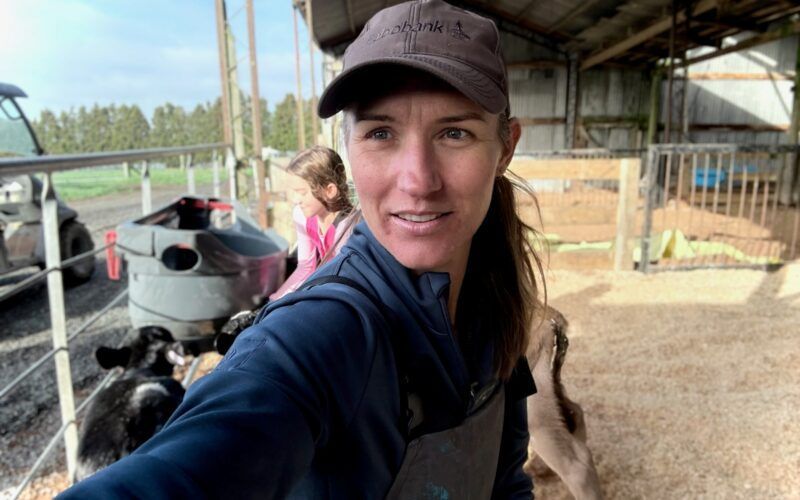
New Zealand’s dairy industry is highlighting the contribution of women in rural businesses during the International Day of Rural Women. The United Nations observance this year focuses on women’s stewardship of agriculture. The sector’s examples include women running commercial farms, veterinary practices and rural transport operations, as well as working in technical advisory roles.
Stephanie Gudgeon, an area manager at DairyNZ, combines regional advisory work with two decades of practical farming experience in Matamata. She said she had “always found a lot of satisfaction and enjoyment in working on the land”. Jodie Goudswaard, DairyNZ’s national benchmarking manager, is another example of women working in specialist positions connected with dairy production and farm management.
Environmental work described in the sector includes planting along waterways, fencing wetlands and restoring native vegetation. Farm managers are also using more targeted grazing practices. These measures are being applied in intensive dairy areas alongside regular milking, animal-health work and pasture production. The activities are presented as part of day-to-day farm management rather than as separate projects.
Women’s professional networks are providing training and access to specialist advice. The Dairy Women’s Network offers mentoring, governance education and technical development related to seasonal calving, herd mating and pasture allocation. Regional advisory teams connect farm operators with agronomists, livestock nutrition specialists and advisers from regional councils. These channels allow managers to review production information and discuss operational problems with other professionals.
Financial analysis is another part of the management work. Through services including DairyBase, farm businesses can examine production costs, debt-servicing arrangements and spending per hectare. The information is used to assess areas such as feed purchasing and labour deployment. Goudswaard has described dairy farms as both family homes and commercial enterprises, requiring field work to be combined with financial modelling and statistical analysis.
The sector is also dealing with shortages of skilled workers and tighter oversight of environmental performance and animal welfare. Dairy businesses must meet processor purchasing requirements and international supply-chain audits. The article identifies female participation in farm ownership, co-operative governance and scientific extension as part of the dairy sector’s leadership landscape as it approaches 2027.










