
Philippine Corn Imports Rise as Feed Demand Grows
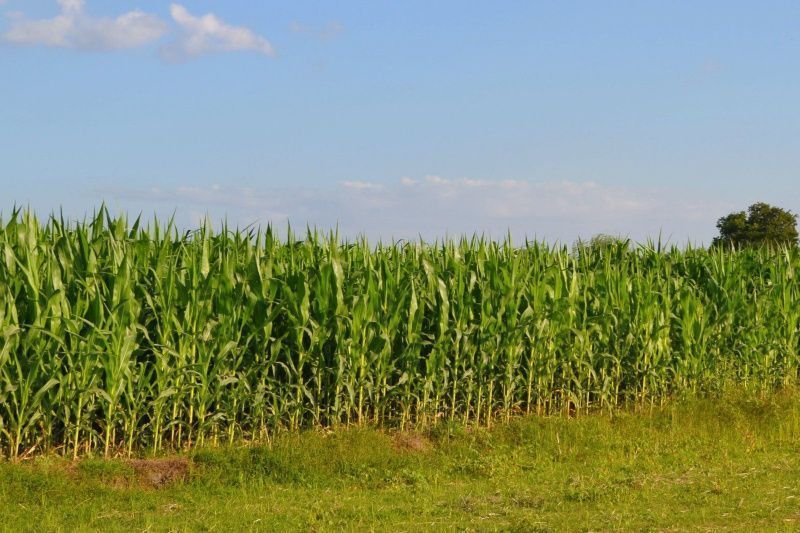
The Philippines’ corn harvest in marketing year (MY) 2026/27 is forecast at 8.05m tonnes. The harvested area is expected to remain broadly unchanged, while irrigation stress, drier conditions and higher fertiliser costs are forecast to limit yields. The USDA Foreign Agricultural Service’s Grain and Feed Update from Manila also attributes changes in the feed market to risks from El Niño and depreciation of the Philippine peso.
Corn and wheat remain key ingredients for livestock and poultry feed. Estimates for MY 2025/26 have been revised upwards to reflect stronger feed consumption and recorded trade volumes. Corn stocks at the end of MY 2026/27 are projected to rise by 9%, as carryover supplies and imports are expected to exceed the reduction in domestic production.
The Department of Agriculture is examining a proposed increase in corn import quotas. The agriculture ministry and the Department of Energy are also studying the possible use of corn as a feedstock for bioethanol. The decisions could affect the availability of grain, domestic prices and competition among food, feed and industrial users.
Wheat consumption and imports are forecast to remain largely stable in MY 2026/27, although feed use is expected to move towards corn. For MY 2025/26, estimates for wheat consumption and imports were raised after stronger demand for feed wheat. Wheat exports declined as demand for pasta weakened. Australia remains the Philippines’ main supplier of feed wheat, but the peso’s fall against the Australian dollar has raised the local-currency cost of those supplies.
Wheat stocks at the close of MY 2026/27 are expected to edge down, with reduced imports outweighing larger opening inventories and a small fall in consumption. Anti-dumping duties on flour from Turkey, imposed in 2015, are scheduled to expire in January 2027 and are facing renewed pressure to end. Any change would affect flour trade and wider grain-market conditions; its direct effect on the availability of feed wheat remains uncertain.
Total animal-feed energy supply, calculated in corn-equivalent terms, is forecast to fall by 2.2% in MY 2026/27. Corn’s contribution is expected to increase slightly, while wheat’s contribution is forecast to drop by 7.4%. The report links the change in the feed mix to currency depreciation and the relative availability of imported grain.
Animal-protein production is expanding. Chicken output is forecast to be 6.5% higher in 2026 than in 2025, while pork production is expected to rise by 1.5%. Aquaculture and chicken-egg production are also recording strong growth. Imported corn and wheat have become more expensive in pesos, leaving feed manufacturers exposed to international prices and exchange-rate movements. The government has stopped premium-grade rice imports to protect domestic farmers, and rice tariffs are automatically adjusted to world prices; comparable mechanisms have not been introduced for corn and wheat.
A possible strengthening of El Niño later in 2026 is identified as an additional risk to irrigation, corn yields and domestic grain availability. Government programmes include drought-tolerant seeds, solar-powered irrigation and alternative crops. The Philippines is expected to remain reliant on imported feed grains in the near term.










